Why ABM Changes Everything, and Why Most Companies Still Get It Wrong
When I first heard the term account-based marketing, I thought it was just a fancy rebranding of what good salespeople had always done: focus on the accounts that matter. In a way, it is. But the discipline of ABM takes that instinct and gives it structure, technology, and, when done right, a level of personalization that genuinely changes how a target account experiences your company.
The core idea is simple. Instead of generating thousands of generic leads and filtering them down, you identify the 50, 100, or 200 specific companies that would make your best possible clients. You research them deeply. You understand who the decision-makers are, what they care about, what keeps them up at night, and what their company is trying to accomplish in the next 12 months. And then you build a strategy specifically designed to make those people feel seen, understood, and compelled to have a conversation with you.
Here is where most ABM programs fall short: they stop at digital. Personalized email sequences. LinkedIn engagement. Targeted display ads. Retargeting. Content syndication. All of it is digital, and all of it is competing for the same fractured attention span of an executive who receives hundreds of similar digital touches every single week.
The companies running the most effective ABM programs have figured out something the others have not: the physical dimension is where the leverage is. A premium gift that arrives on an executive's desk, beautifully packaged, genuinely interesting, paired with a personal note that proves you know something real about them, cuts through years of digital noise in an instant.
How I Started Using Physical Gifts as an ABM Play
I will be honest about how we developed this strategy. It was not from reading a marketing playbook. It came from watching what happened when I started sending Príncipe Azahar products to a small list of companies we desperately wanted to work with.
We had identified about twenty target accounts, companies with large enough corporate gifting budgets and the right profile to be significant clients. I had tried the usual approaches. LinkedIn outreach. Cold email sequences. A few referral attempts through mutual connections. Response rates were what you would expect: low, slow, and depressing.
Then I tried something different. For ten of those accounts, I put together a small curated box: two infused olive oils, two finishing salts, a bottle of orange wine. I found out the name of the specific decision-maker I needed to reach, usually a VP of Marketing or an executive assistant program manager. I wrote a genuine handwritten note explaining who Soto & Segovia is and why I thought the products were worth ten minutes of their time to try. I mentioned something specific I knew about their company that made the products relevant.
Seven of those ten reached out within two weeks. Not with polite thanks. With actual interest in having a conversation. One of them became our largest client within six months. Another referred us to a contact at a Fortune 500 company we had never been able to reach.
The five accounts I had continued to pursue with digital-only outreach? Two eventually responded. After three months.
The Psychology of Why Premium Gifting Works in ABM
There are a few things happening psychologically when a well-executed ABM gift lands that make it so effective.
The first is pattern interruption. Your target's inbox is a predictable environment. Email after email follows the same structure: subject line designed to trick them into opening it, two paragraphs that are really about you rather than them, a call to action they have no reason to respond to. When a beautifully packaged box of Spanish gourmet foods appears on their desk, their brain literally cannot process it as the same category of thing. It is tactile. It has weight. It smells like garlic olive oil and orange wine and something extraordinary. That pattern interruption creates an opening that digital outreach cannot manufacture.
The second is the rule of reciprocity, one of the most well-documented principles in social psychology. When someone does something for us, we feel a genuine impulse to do something in return. A gift activates this impulse in a way that an email never can. The executive who opens your box of Spanish artisan products and genuinely enjoys them feels, at some level, that they owe you a conversation. Not in a transactional way. In the very human way that all genuine gift-giving works.
The third is signal interpretation. The gifts we send say something about who we are. A branded pen says: we do what everyone else does. A curated collection of artisan foods from a small producer in Altea, Spain, with a personal note that references something specific about the recipient's company, says: we are thoughtful, we do our research, and we operate at a level of taste and intentionality that probably reflects how we approach our work. That is a positioning statement that no amount of ad spend can buy.
How to Execute an ABM Gift Campaign That Actually Works
I want to be specific here because the execution details matter enormously. A mediocre ABM gift sent with no personal context is barely better than a cold email. A premium gift with genuine personalization is a different tool entirely.
Step one: know who you are sending to. Not just the company, the specific person. Their name, their title, their actual role in the decision you are trying to influence. This is not negotiable. A box addressed to 'The Marketing Team' at a company lands in a conference room somewhere and gets split up like leftover pizza. A box addressed to the specific VP of Partnerships with a note that references something she said in a recent interview lands on her desk and gets opened immediately.
Step two: do one piece of real research on them before you write the note. LinkedIn, their company blog, a recent press release, an interview or podcast appearance. Find one thing that is genuinely true about their priorities and connect the gift to it. It does not need to be elaborate. 'I noticed you recently expanded into Latin markets, we work with producers on Spain's Mediterranean coast, and I thought you might appreciate experiencing what that region produces.' One sentence. Real. Specific. It transforms the note from a form letter into something that feels like it was written for them.
Step three: the gift itself needs to be genuinely excellent. Not adequate. Not fine. The kind of thing that makes the recipient stop what they are doing and actually engage with what they just received. In our case, that means a curated selection of Príncipe Azahar products, typically a combination of our best-selling infused olive oils, one or two artisan salts, and a bottle of orange wine, presented in packaging that reflects the quality of what is inside.
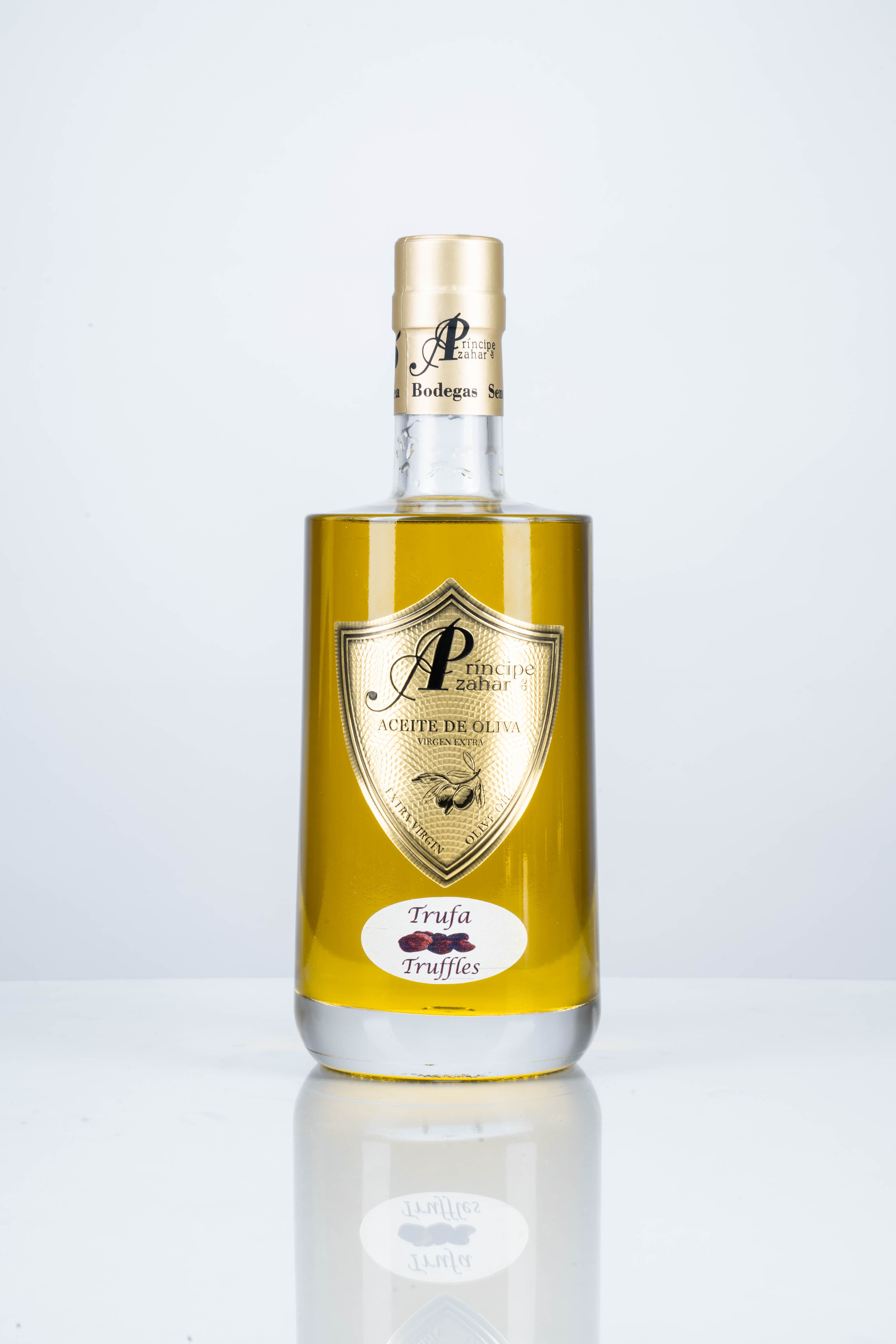
Step four: follow up within three to five days of delivery. Not immediately, give them time to actually try something. A short, light email that references the gift without making it the centerpiece of the conversation. 'Wanted to make sure it arrived safely. If you tried the truffle olive oil yet, curious what you thought.' This follow-up is where most of the conversion happens. The gift opened the door. The follow-up is how you walk through it.
Using Gifts to Protect and Expand Your Top Existing Accounts
I want to spend a moment on the side of ABM that most companies ignore completely: using the same gift-based approach with your best existing clients.
Here is the reality of B2B account management that nobody talks about enough. Your largest clients are the most actively targeted accounts in your industry. Every competitor you have is running some version of an ABM campaign against them. They are receiving outreach, attending the same conferences you are, being taken to lunches and rounds of golf. The comfortable assumption that a client stays because the product is good is one of the most expensive beliefs in business.
The companies that retain their best clients for decades are the ones that treat the relationship as something to be actively maintained, not passively assumed. And premium gifting is one of the most efficient ways to do that at scale.
For our top clients, I run a simple system. Twice a year, once in early spring and once in early fall, I send a curated selection of new or seasonal Príncipe Azahar products to the two or three individuals at each account who matter most to the relationship. Not the company. The people. The CFO who championed the initial contract. The VP of Operations who runs the program. The executive assistant who makes sure our invoices get processed on time.
Each package comes with a note that references something real from the past year of working together. A project we completed together, a result we are proud of, something personal they mentioned in our last conversation. Three sentences. Genuine. Specific.
The response rates on these packages are higher than anything else we do from a relationship-maintenance standpoint. And I have never lost a client who received one.
The Products I Trust for ABM Gifting
Let me be direct about which Príncipe Azahar products I actually use in our ABM gift sets, because the selection matters.
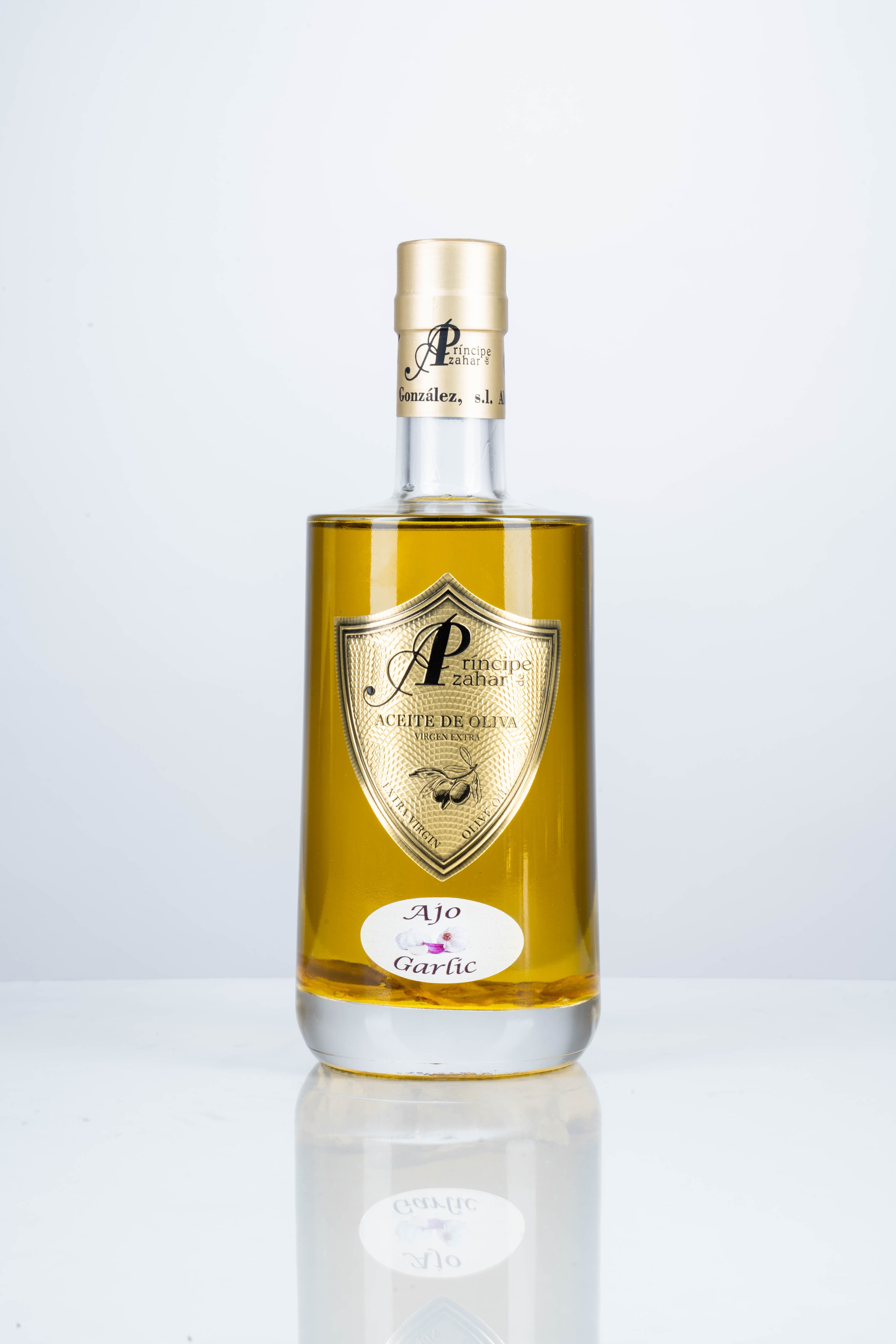
For a first-touch gift to a high-priority prospect, I typically send a combination that creates a range of discovery: one bottle of Truffle Olive Oil (our most distinctive product, the one that generates the most phone calls), one bottle of Garlic Olive Oil (more approachable, immediately useful in any kitchen), one jar of finishing salt (usually the Paprika Salt or the Rose Salt, because the visual drama earns them a place on a counter rather than in a pantry), and a miniature Orange Wine, our 100ml format of the Vino de Naranja, which I include because it is genuinely unlike anything most Americans have tasted. It generates conversation.
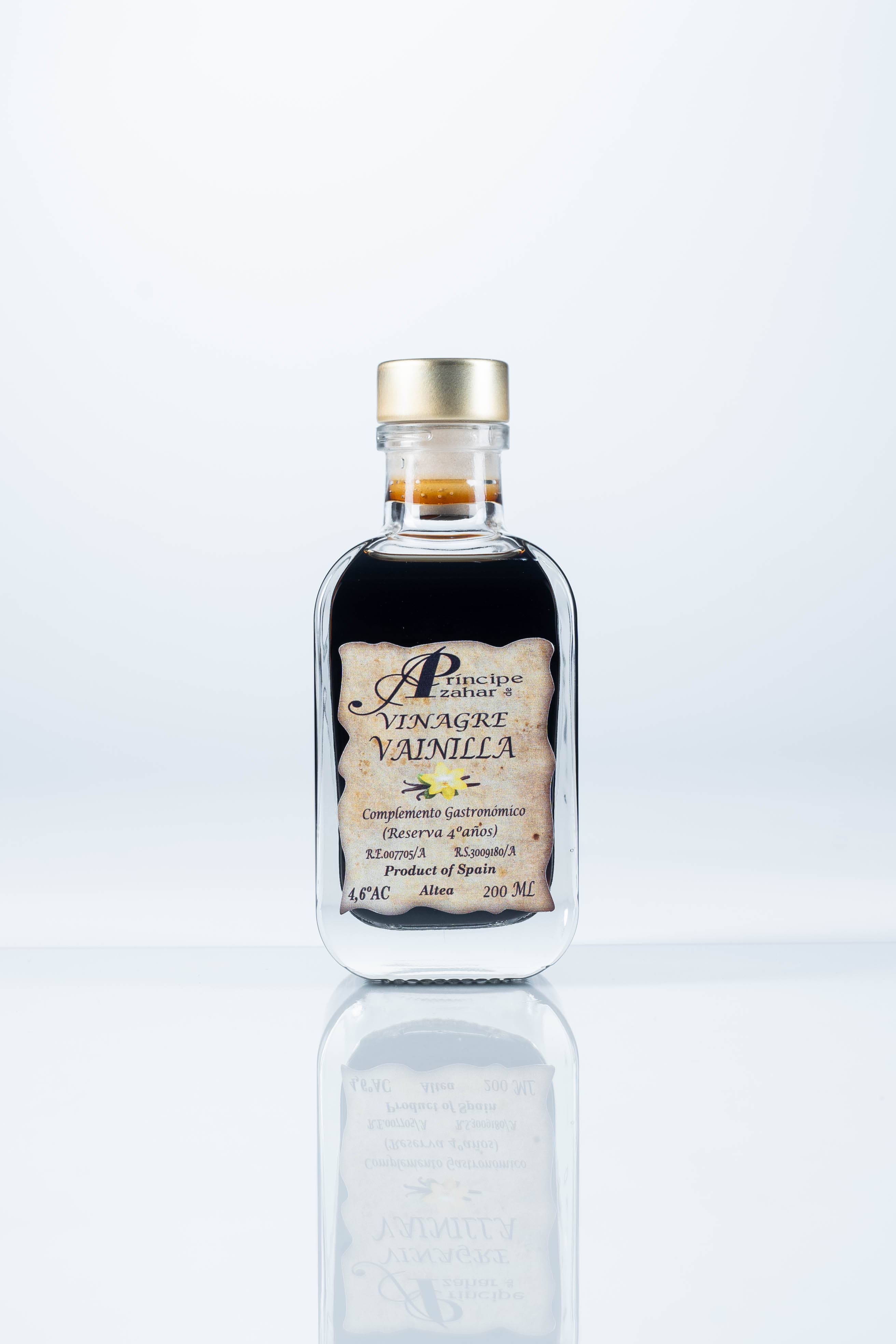
For an existing client gift, I tend to send products they have not tried yet, the Vanilla Vinegar, which is our most surprising product and the one that makes people call us, or a newer addition to the salt collection. The goal is to keep the discovery going, to give them something new every time that deepens their relationship with the products and, by extension, with us.
For a very high-priority prospect, a company where the potential contract justifies a larger investment, I build a more complete set: the full olive oil range, three or four salts, the full-size Orange Wine, and one of the vinegars. Presented in premium packaging with a handwritten card, it arrives as something closer to a luxury gift set than a business development tool. That is precisely why it works.
The Metric That Should Change How You Think About This
Here is the number that changed how I thought about ABM gifting as a strategy.
In the year before we formalized this approach, our average time from first outreach to first meaningful conversation with a target account was roughly four months. That is not unusual in B2B. Cold outreach is slow. Follow-ups get ignored. Sequences expire. Eventually something breaks through, or it does not.
In the 12 months after we started using premium gift packages as part of our ABM outreach, our average time to first meaningful conversation dropped to under three weeks for accounts that received a gift. And the quality of those conversations was dramatically different, not someone who had finally agreed to a 15-minute discovery call after seven touchpoints, but someone who had genuinely engaged with what we sent them and had actual questions they wanted answered.
The gift is not a trick. It is not a manipulation. It is a demonstration of who you are and how you operate, delivered in a form that requires the recipient to engage with it directly. In a world where everyone else is fighting for attention through screens, a beautifully packaged box of exceptional Spanish gourmet foods is not just a gift. It is the most human version of your marketing that exists.
And in ABM, where the entire point is to make a specific person at a specific company feel like you built your strategy around them, there is nothing more effective.
Frequently Asked Questions
What is account-based marketing (ABM)?
Account-based marketing is a B2B strategy where sales and marketing teams identify a specific list of high-value target accounts and treat each one as an individual market. Instead of casting a wide net, ABM concentrates effort and personalization on the accounts that matter most, creating hyper-relevant experiences for each decision-maker within those accounts.
How does gifting fit into an ABM strategy?
Direct mail and physical gifting are among the highest-performing ABM tactics precisely because they are so rare. When everyone else is sending LinkedIn messages and email sequences, a premium physical gift cuts through the noise in a way that digital touches simply cannot. It creates a tangible, memorable experience that opens doors that were previously closed.
What budget should I allocate to ABM gifting?
For your highest-priority target accounts, the ones where a single closed deal justifies significant investment, a $100 to $250 per recipient gift is well within reason. When you are targeting a VP of Procurement at a company where the annual contract is worth $500,000, a $150 gift is not an expense. It is leverage.
How do I know if my ABM gift actually landed?
The simplest signal is a direct response. A reply to your follow-up email, a LinkedIn connection request, a phone call you did not expect. Track this in your CRM as an engagement event. In our experience, a well-executed gift with a personal follow-up generates a response rate 4 to 6 times higher than cold outreach alone.
Can I send ABM gifts to existing clients, not just prospects?
Absolutely, and this is often the higher-ROI move. Your existing top clients are your most valuable asset and your most vulnerable relationship. A competitor is almost certainly targeting them. An unexpected premium gift that acknowledges the relationship is one of the most effective client retention tools available, and costs a fraction of re-acquiring a lost account.