The Gift That Ended Up in a Drawer
A few years ago, I was meeting with a potential distribution partner in New York. Before the meeting, I sent him one of those standard corporate gift sets: a nice branded notebook, a company-logo pen, a small phone stand, and a box of generic chocolates. Standard stuff. Maybe $80 all in.
He thanked me politely at the start of the meeting. That was the last we spoke about it. The conversation went well and we moved forward together, but that gift did nothing for the relationship. It did not create a moment, it did not generate a story, and I guarantee it ended up in a desk drawer within a week.
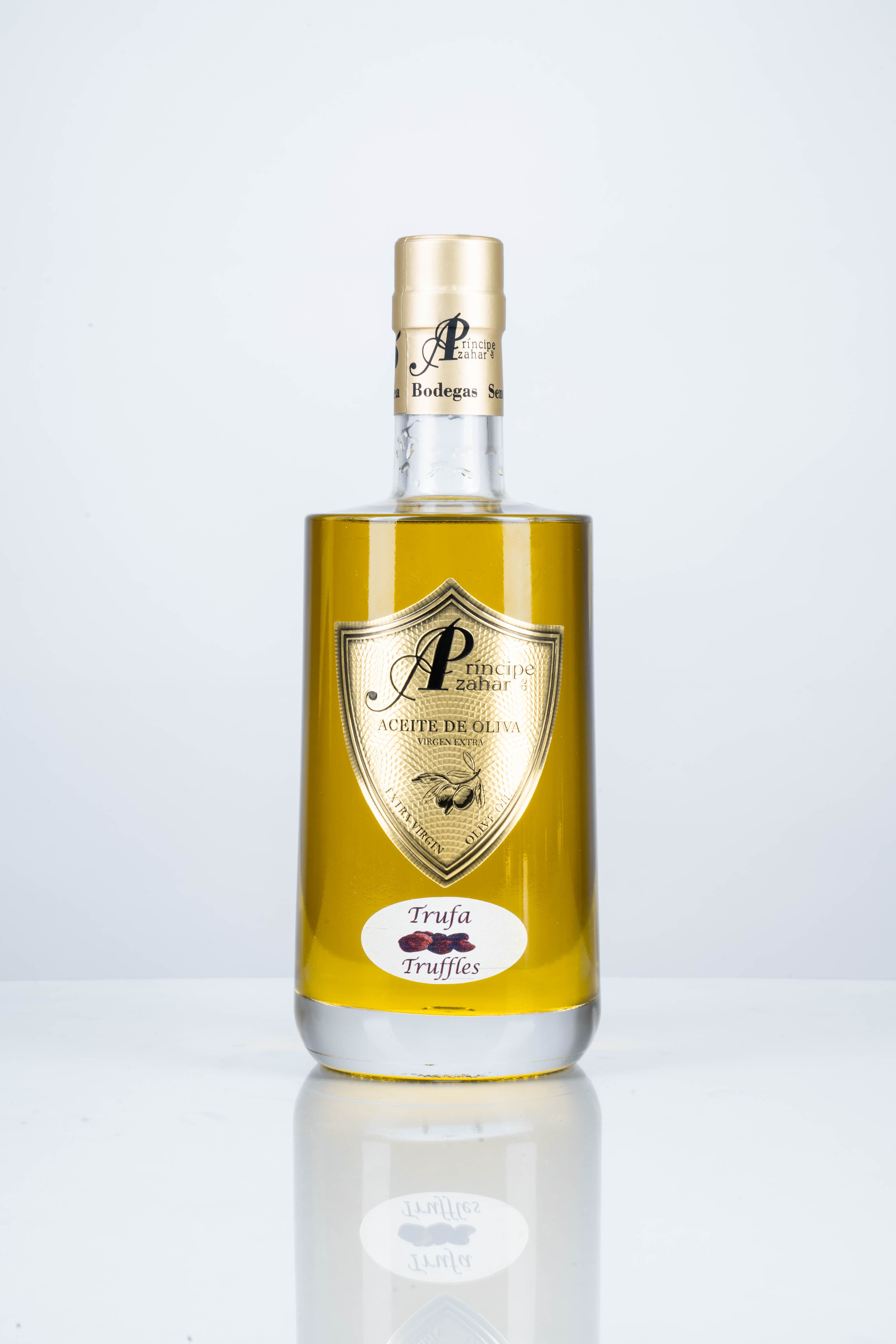
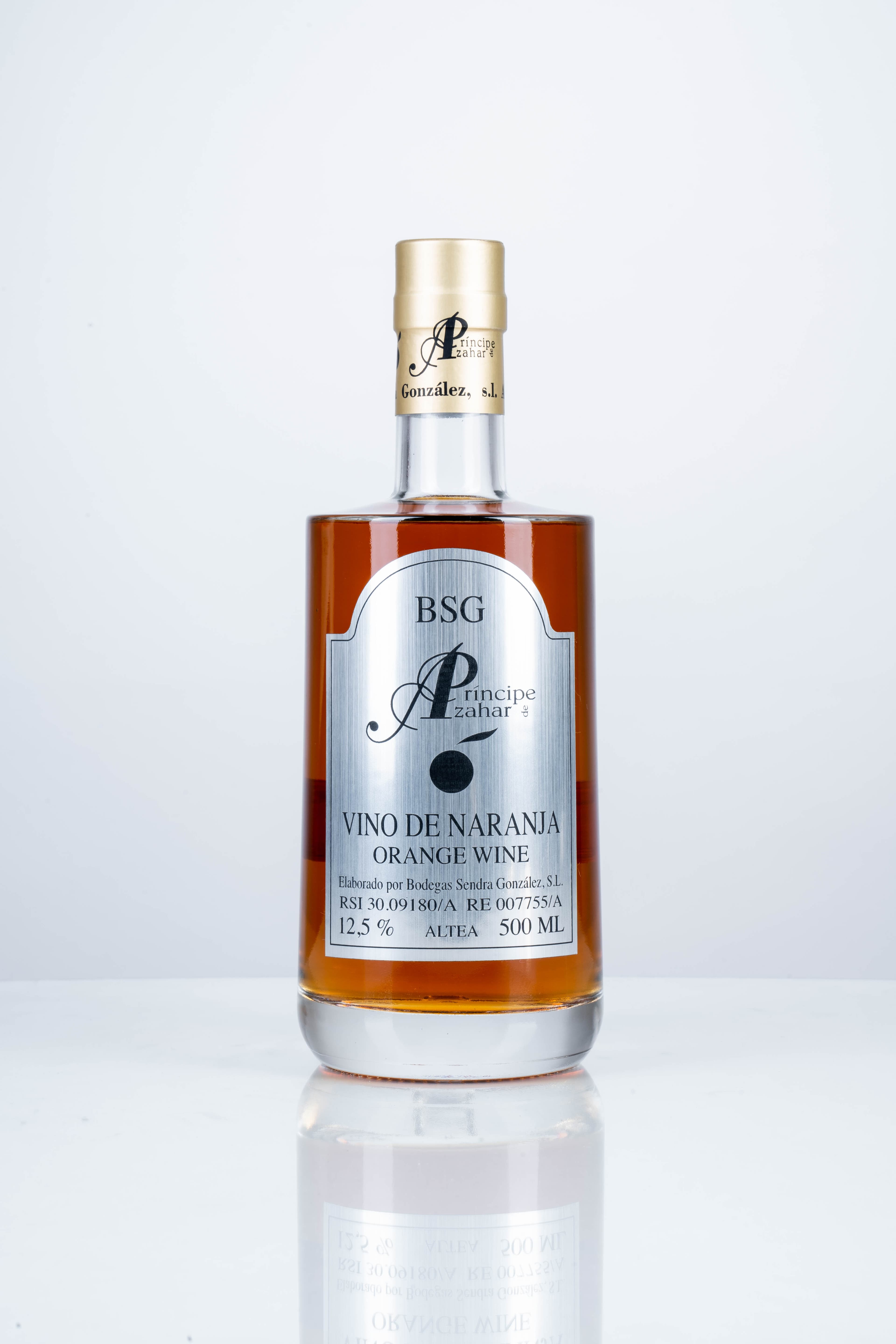
Contrast that with what happened six months later. I sent him a small box of Principe Azahar products from Altea, the producer we work with in Spain. Three infused olive oils, two finishing salts, a bottle of orange wine. I included a short handwritten card explaining who made them and where they were from. He called me two days later not to discuss business, but to tell me he had made dinner for his wife using the garlic olive oil and that she had asked where to buy more. We had a 20-minute conversation about Spain, about food, about the producer. Three months after that, he referred us to two of his contacts.
Why Branded Swag Fails at the Neurological Level
This is not anecdotal. There is real science behind why branded merchandise underperforms as a relationship-building tool.
When a person receives a gift that prominently features the giver's logo, the brain processes it as a marketing communication, not a personal act of generosity. The moment that happens, the gift loses most of its relationship-building value. The recipient feels advertised at rather than appreciated. The psychological reciprocity that makes gift-giving so powerful in business relationships is significantly weakened.
Food gifts, particularly artisan or specialty food gifts, register differently. They are consumable, which means the recipient has to actually engage with them. They are experiential, which means they create memories and often conversations. And when they are genuinely excellent, they generate a feeling of being known and appreciated rather than targeted.
A client who opens a box of exceptional Spanish olive oils and finishing salts is going to think about that experience at least three or four times: when they open the box, when they first try a product, when they cook with it again the following week, and when they mention it to someone else. A branded pen generates zero equivalent touchpoints.
What the Best Corporate Gifts Actually Accomplish
The goal of a corporate gift is not to advertise your company. That is a fundamental misunderstanding of what gift-giving does in a professional relationship.
The goal is to create a moment that the recipient attributes to you personally, not to your marketing budget. It should communicate something about how you see them: that you take them seriously, that you pay attention, that you have good taste. Ideally it gives them a reason to reach out to you outside of a transactional context.
Premium food gifts accomplish all of this more reliably than branded merchandise because they force a positive sensory experience. You cannot be neutral about really good olive oil. If you pour it over a piece of bread and it genuinely tastes extraordinary, you think about the person who sent it to you. That is the mechanism. That is why it works.
The other thing premium food gifts do well is signal positioning. When you send someone a curated box of artisan products from a small producer in Altea, Spain, you are communicating that you operate at a certain level. You are not the company that sends the holiday fruit basket. You are the company that knows something about the world and wants to share it.
Making It Work: The Practical Details
A few things I have learned about making food gifts land well in a corporate context.
First: the packaging matters as much as the product. A beautiful box tells the story before the recipient even opens it. It signals that you thought about the presentation, not just the contents.
Second: include something written. Not a printed card from your marketing department, but something that explains the products and why you chose them. Even three sentences about where the olive oil comes from and how to use it transforms the gift from something generic into something curated. That context is what people pass on when they talk about it with someone else.
Third: timing matters more than most people realize. Holiday gifting is expected and therefore generates less impact than a gift sent in September just because you were thinking of the person, or immediately after a meaningful business milestone. The unexpected gift is the one that gets remembered.
Fourth: resist the urge to put your logo on everything. A small business card is fine. A branded label on every item sends exactly the wrong signal.
Frequently Asked Questions
What makes a corporate gift memorable?
Research consistently shows that experiential and consumable gifts are remembered longer than physical branded items. A gift that involves the senses, creates a shared experience, or tells a story about craftsmanship gives the recipient something to talk about. Branded merchandise rarely does any of that.
What is the right budget for a corporate food gift?
For a meaningful impression with an executive or key client, $75 to $200 per recipient is the range where quality becomes genuinely noticeable. A curated selection of artisan Spanish products at this price point communicates thoughtfulness and premium positioning without crossing into uncomfortable territory.
Is food gifting appropriate for all industries?
Food gifts are appropriate across virtually every B2B industry because food is universal. They work particularly well in financial services, real estate, legal, healthcare, technology, and hospitality, where personal relationships drive long-term business.
How do I personalize a corporate food gift?
Personalization does not have to mean printing a logo on something. A handwritten note explaining why you chose each product, a card connecting the products to the recipient's interests, or packaging in the recipient's company colors all create a personal feeling without branded merchandise.