Salt as Ingredient, Salt as Art
For most of culinary history, salt had one job: preservation. But the modern gourmet movement has elevated finishing salt to something far more nuanced, an ingredient that adds not just salinity but texture, aroma, color, and a final flourish of flavor complexity. The difference between a dish finished with industrial table salt and one finished with a high-quality artisan flake salt is immediately perceptible to any attentive palate.
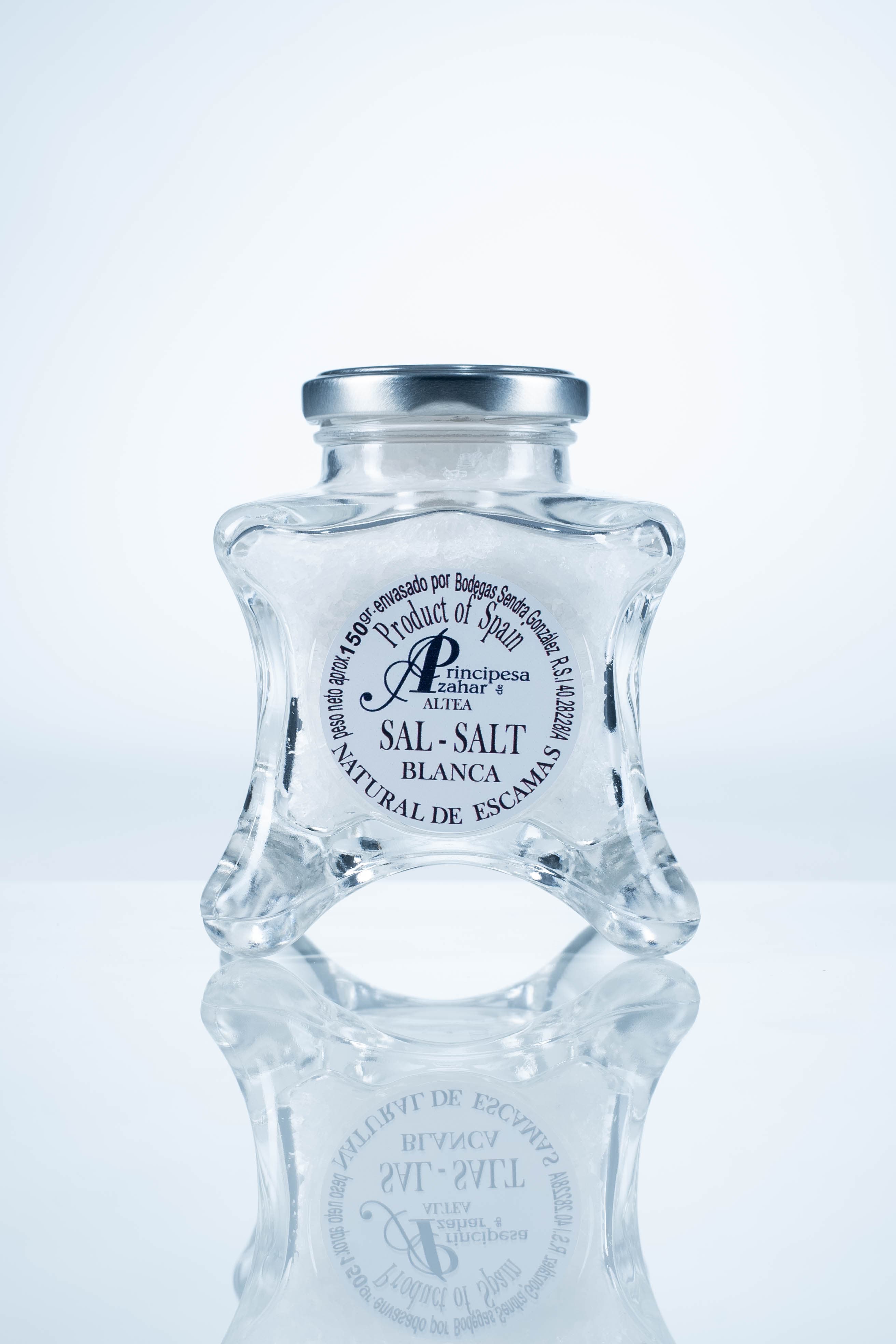
Princesa Azahar's collection of sixteen flavored artisan salts, produced in Altea, Spain, takes this philosophy further still. Each salt begins with hand-harvested natural flake sea salt from the Spanish Mediterranean coast, which is then blended with a single, high-quality flavoring ingredient: smoked paprika, fresh garlic, wild oregano, dried lemon, fresh rosemary, pomegranate, and more. The result is a collection of finishing salts that are genuinely unlike anything available in a conventional grocery store.
How Spanish Sea Salt Is Made
The salt flats of the Spanish Mediterranean coast are among the oldest continuously operated in Europe. Seawater is channeled into shallow evaporation ponds and allowed to concentrate slowly under the sun and Mediterranean wind. As water evaporates, salt crystals form on the surface, harvested by hand with traditional wooden tools.
This slow, natural process produces salt crystals with an irregular, layered flake structure, the hallmark of premium finishing salt. These flakes sit on the surface of food rather than dissolving immediately, creating a brief textural contrast and a delayed burst of clean salinity as they melt on the tongue. It is a completely different eating experience from fine-ground table salt, which simply disappears.
The Role of Pimentón: Spain's Most Essential Spice
No ingredient is more distinctly and recognizably Spanish than pimentón, smoked paprika. Made from peppers (primarily in La Vera, Extremadura, and Murcia), pimentón is produced by slow-drying the peppers over smouldering oak fires for up to two weeks before stone-grinding. The result is a vivid red powder with an intoxicating smoky sweetness that underpins chorizo, morcilla, patatas bravas, pulpo a la gallega, and the vast majority of Spanish stews and braises.
Sal Pimentón, Paprika Salt, combines this essential flavor with artisan sea salt from Altea. It is the ideal finishing salt for grilled meats, fried eggs, roasted potatoes, and any dish where you want to invoke the unmistakable flavor of Spain. A pinch of Sal Pimentón on a fried egg transforms breakfast; on a piece of grilled octopus, it completes the dish.
The Unexpected Salts: Mint, Vanilla, and Rose
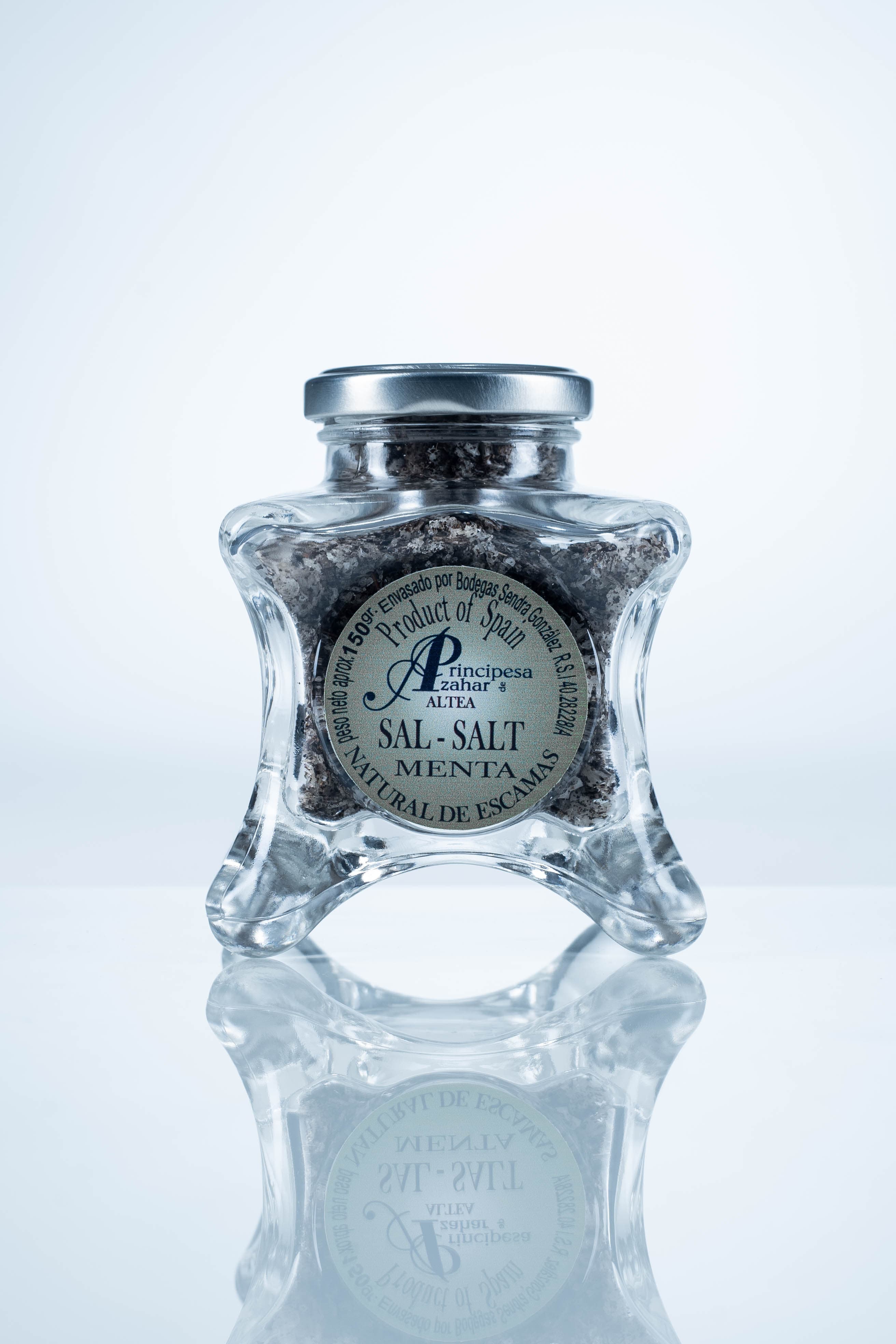
The most surprising entries in the Princesa Azahar collection challenge conventional assumptions about what a finishing salt should be. Sal Menta (Mint Salt) combines the cooling freshness of real mint with clean Mediterranean flake salt, producing something extraordinary on fresh mango, dark chocolate, or a glass of iced tea. It is the star of Sasha's Salted Mangos, one of our most beloved recipes.
Sal Rosas (Rose Salt) carries delicate floral notes in a beautiful pink flake, exceptional on butter, white fish, or champagne-based sauces. And while a vanilla vinegar gets its own product slot, a vanilla-inflected salt would be equally at home on fine pastry or crème brûlée. These salts ask the cook to think differently about salt, not as a corrective seasoning but as a flavor element in its own right.
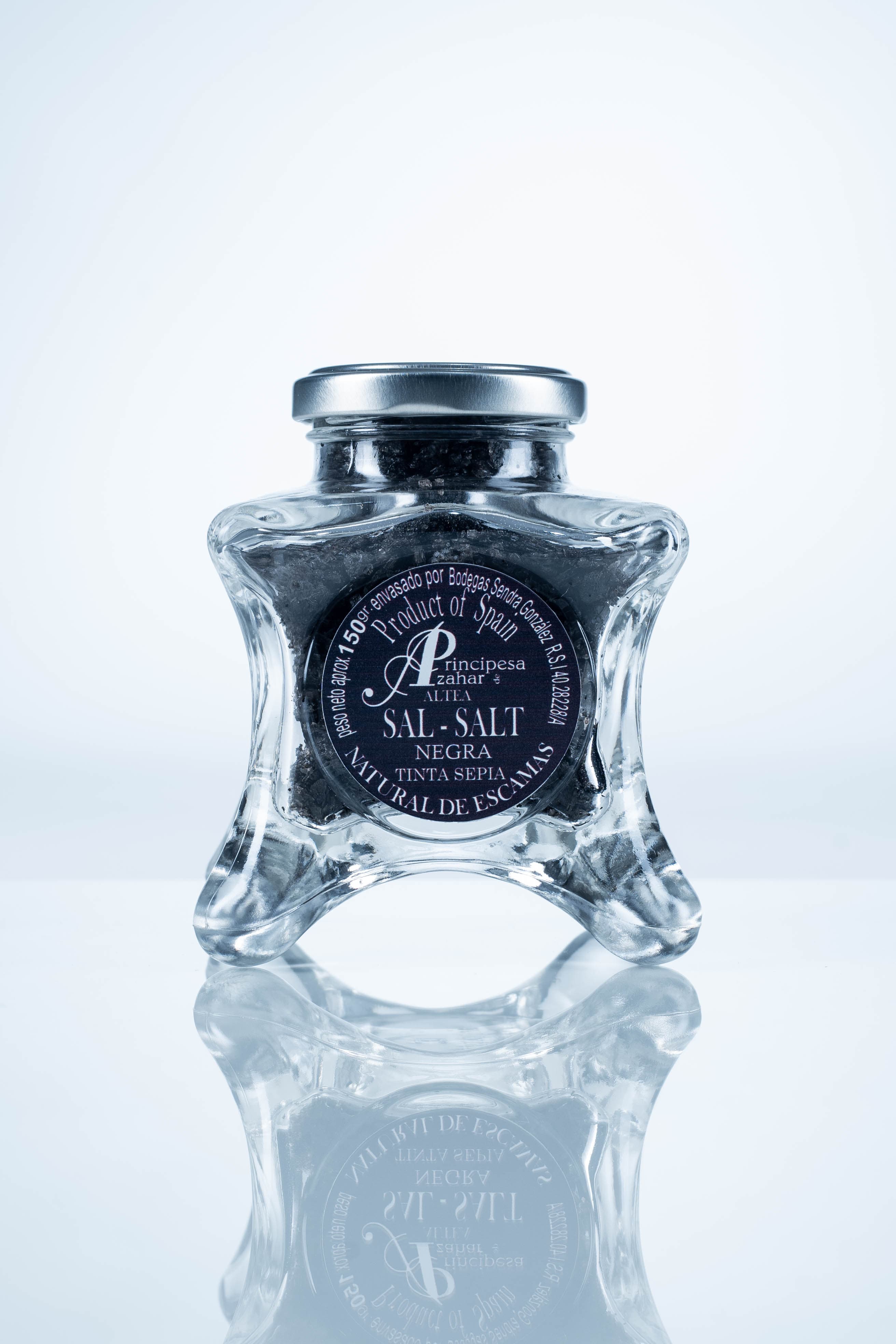
For corporate gifting in particular, the visual drama of these salts, the jet black of Sal Negra, the rose pink of Sal Rosas, the vivid red of Sal Pimentón, makes them exceptional presentation pieces, whether in a gift set or as a standalone luxury item.
Pairing Flavored Salts with Food
The key to using flavored finishing salts well is restraint and timing. Apply them just before serving, never during cooking, where the aromatic compounds that make them special will be lost to heat. A pinch is usually sufficient; these salts are intensely flavored and are meant to enhance, not overwhelm.
Some reliable pairings: Sal Ajo (Garlic Salt) on grilled steak or roasted vegetables. Sal Limón (Lemon Salt) on grilled shrimp, oysters, or avocado toast. Sal Curry on roasted cauliflower or grilled fish. Sal Tomate on fresh burrata or scrambled eggs. Sal Negra (Black Salt) on white fish, sushi, or as a dramatic contrast on a white plate of cheese. And Sal Menta (Mint Salt) on fresh mango, watermelon, or chocolate.
Once you begin cooking with high-quality flavored finishing salts, the grocery store table salt in your pantry starts to feel very inadequate.
Frequently Asked Questions
What is a finishing salt?
A finishing salt is a high-quality, large-flake salt applied to food just before or immediately after serving, not used in cooking. Its purpose is to add flavor, texture, and visual appeal at the moment of eating. The flake structure dissolves on the palate in a burst of clean salinity.
What makes Spanish sea salt different from table salt?
Spanish Mediterranean sea salt is hand-harvested from natural salt flats and retains trace minerals like magnesium and potassium. Table salt is heavily refined, stripped of minerals, and often contains anti-caking agents. The mineral complexity of artisan sea salt gives it a cleaner, rounder flavor.
What is pimentón and why is it Spain's most important spice?
Pimentón is Spanish smoked paprika, made from peppers that are slowly dried over oak fires before being stone-ground. It is the defining flavor of countless Spanish dishes, from chorizo to patatas bravas to pulpo a la gallega. Sal Pimentón combines this iconic spice with artisan sea salt for a finishing salt that is unmistakably Iberian.
How do I use flavored salts?
Flavored finishing salts are applied just before serving, a light pinch over the finished dish. Use Garlic Salt on grilled meats, Lemon Salt on seafood, Mint Salt on fresh fruit or chocolate, and Paprika Salt anywhere you want a Spanish smoky character. Less is more; the goal is enhancement, not overpowering.