What My Father Taught Me About Bringing Something
I grew up in Madrid. In my family, and in most Spanish families I knew, there was an unspoken rule: you never show up to someone's home without bringing something. It did not have to be expensive. A small jar of something from the market, a bottle of wine, a box of pastries from a good bakery. The point was not the object. The point was the act of arriving with intention, of saying through the gesture that you were grateful to be there and that you had thought about your hosts before you arrived.
When I moved into sales in my twenties, I noticed that the professionals who were most effective at building long-term relationships operated by a version of that same instinct. They showed up with intention. Not necessarily with a physical gift every time, but with an awareness that the relationship they were in was worth tending. The gift was often just the most visible expression of that awareness.
The salespeople who struggled with client retention were almost always the ones who thought of the relationship as a transaction that ended when the contract was signed. The ones who built durable books of business thought of the contract as the beginning.
Reading the Room: When a Personal Gift Is Right
Not every professional situation calls for a gift, and trying to force one when it does not fit can actually do harm. The occasions where a personal gift genuinely strengthens a relationship are fairly specific.
A genuine celebration in the client's personal life is the most powerful moment. A promotion, a new baby, a significant anniversary, the completion of a project they worked on for years. If you know this happened and you acknowledge it with something thoughtful, you become someone they actually like, not just someone they do business with.
A moment of shared experience is another good trigger. If you and a client had a memorable conversation about Spanish food or about a trip to the Mediterranean, a small package of products from that world arrives as a continuation of that conversation, not as a sales gesture. That distinction matters enormously to how it lands.
And sometimes the right moment is simply because you found something genuinely exceptional and wanted to share it. That is, in my experience, one of the most underrated gifts of all: a product you love, sent with a brief note explaining why you love it, to someone you think would appreciate it. No occasion required.
The Products That Travel Well in a Relationship
Not all gifts are equally well suited to the personal relationship context. In the corporate setting, a standard wine bottle is expected. A beautifully packaged set of finishing salts, on the other hand, is specific. It says something about the taste and thoughtfulness of the person sending it.
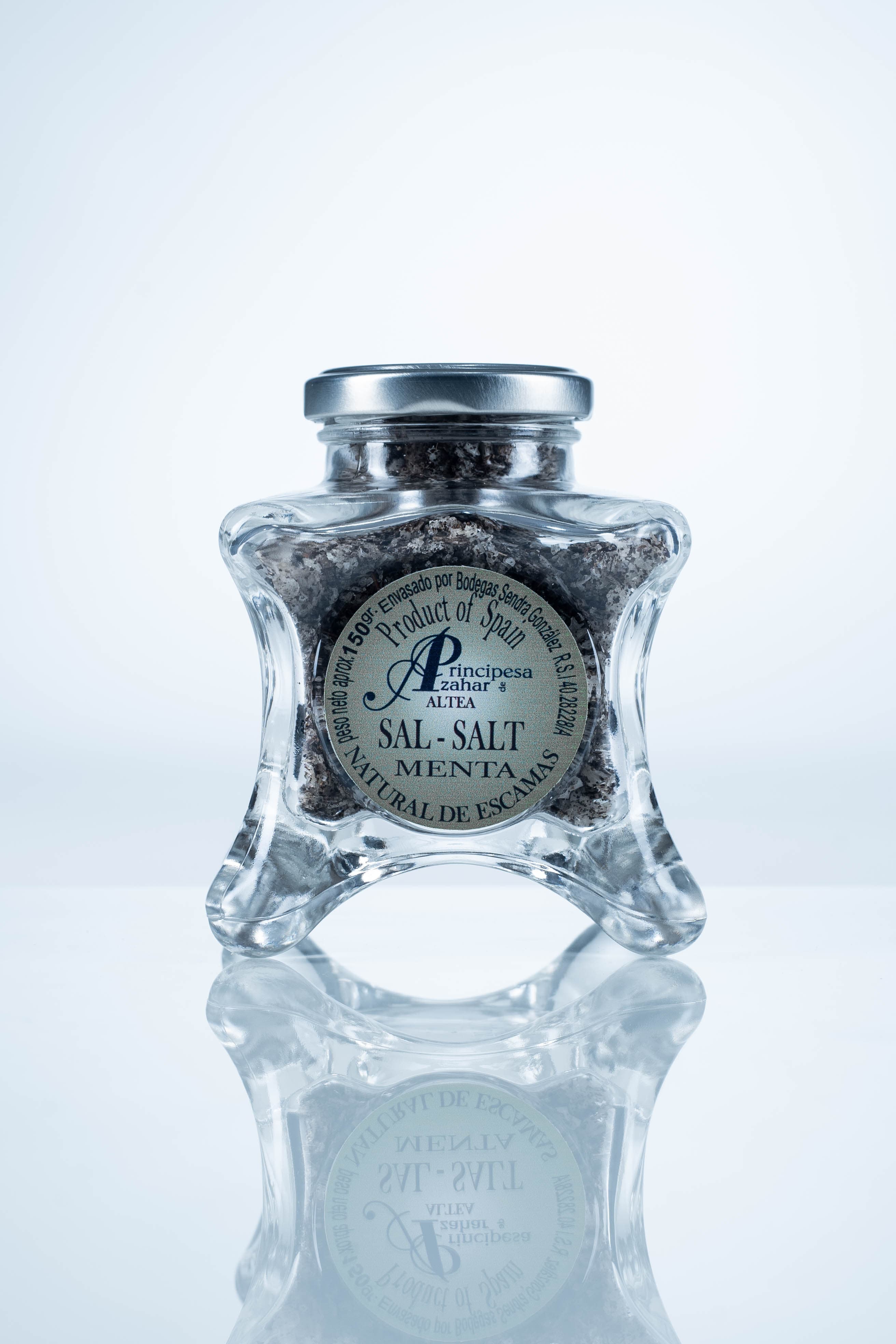
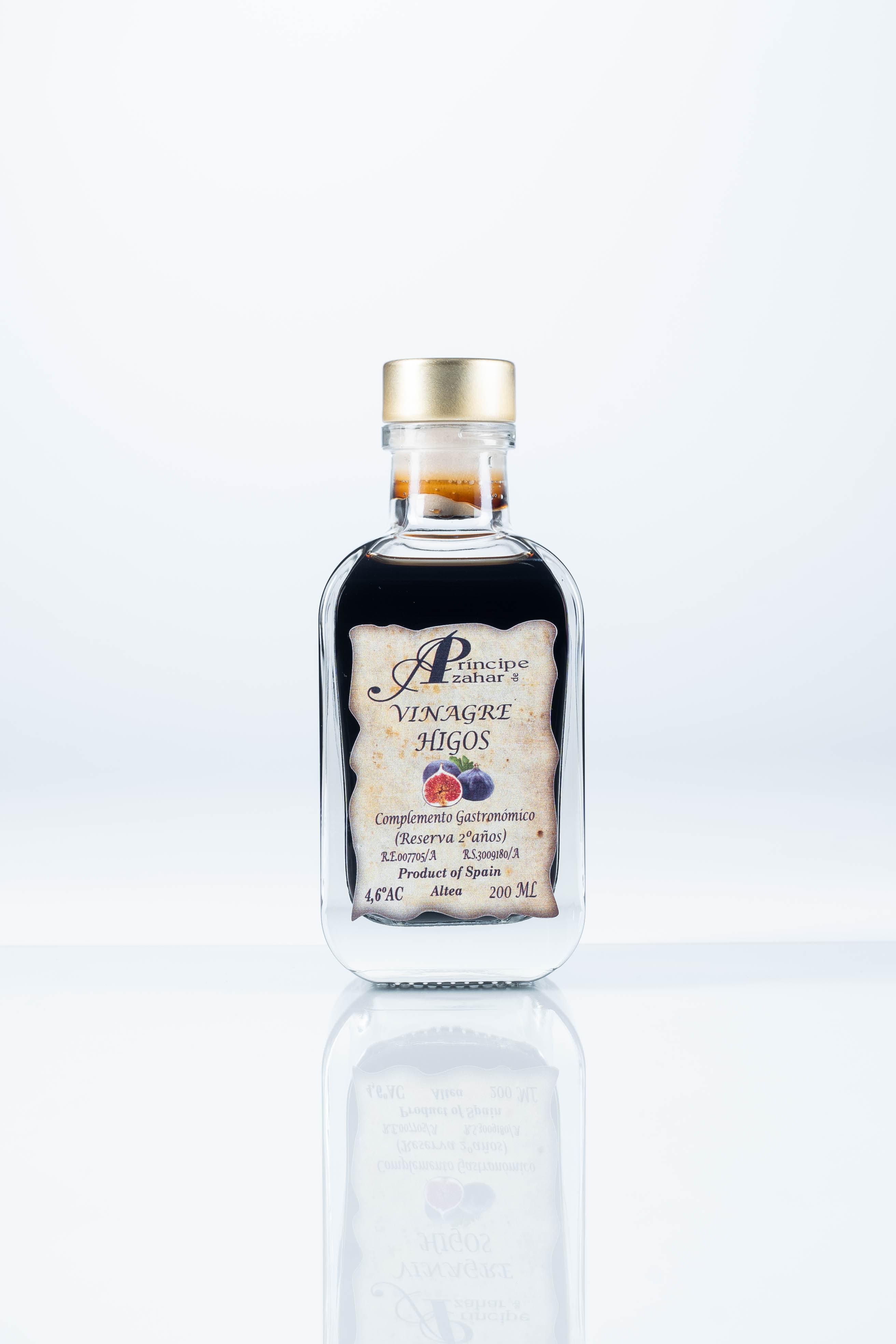
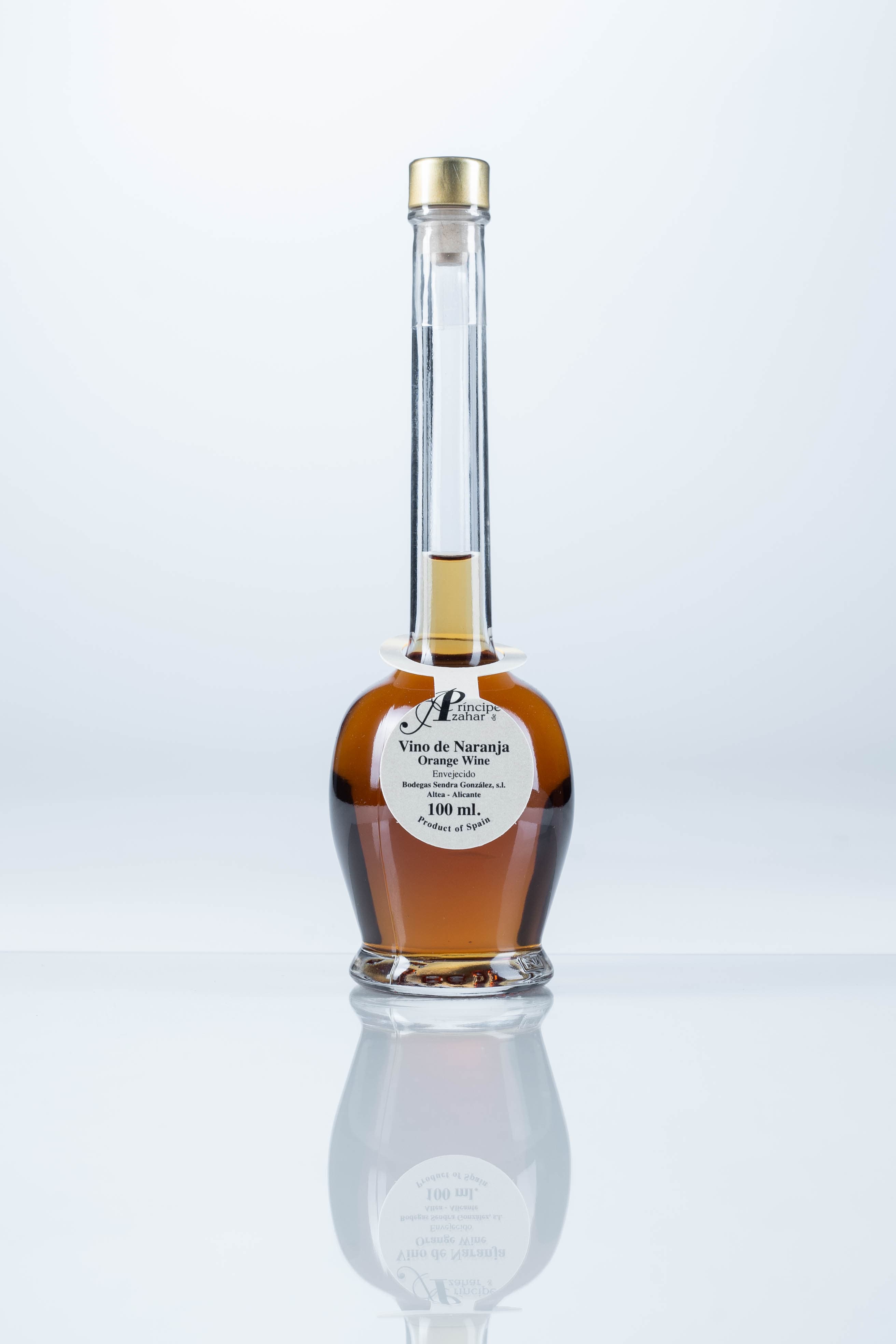
At Soto and Segovia, the products that tend to generate the most personal conversations are the unexpected ones. The Mint Salt that someone puts on fresh mango and then calls us about because they cannot believe what it did to the fruit. The miniature Orange Wine from Bodegas Sendra Gonzalez that a client brings out at a dinner party and then has to explain to their guests. The Fig Vinegar that a chef friend puts on a cheese board and will not stop talking about.
The magic of genuinely excellent, genuinely unusual products is that they create stories. The person who receives them becomes the person who tells the story. And in that story, you are the person who introduced them to it. That is the kind of brand impression no advertising budget can buy.
Frequently Asked Questions
Is personal gifting in a B2B context appropriate?
Absolutely. The distinction between professional and personal gifting is less important than the intention behind the gift. A gift that acknowledges someone as a person, not just as a title, is almost always received positively. The key is proportionality and cultural awareness.
How do I find out what a client would appreciate as a personal gift?
Pay attention during conversations. What do they mention casually? Do they talk about cooking, travel, wine, family? LinkedIn and other professional profiles often reveal personal interests. The simplest approach is to gift something genuinely excellent that most people would appreciate, paired with a note that connects it to your relationship specifically.
What is the best gift for a client who has everything?
For someone who can buy anything they want, the gift that stands out is the one that introduces them to something they have not discovered yet. A small-batch Spanish olive oil from a producer they have never heard of, or an artisan salt they would not find in a local store, accomplishes this far better than another bottle of premium wine.