How Soto and Segovia Came to Exist
When Roberto Segovia and I started Soto and Segovia Imports, we did not begin with a business plan. We began with a meal.
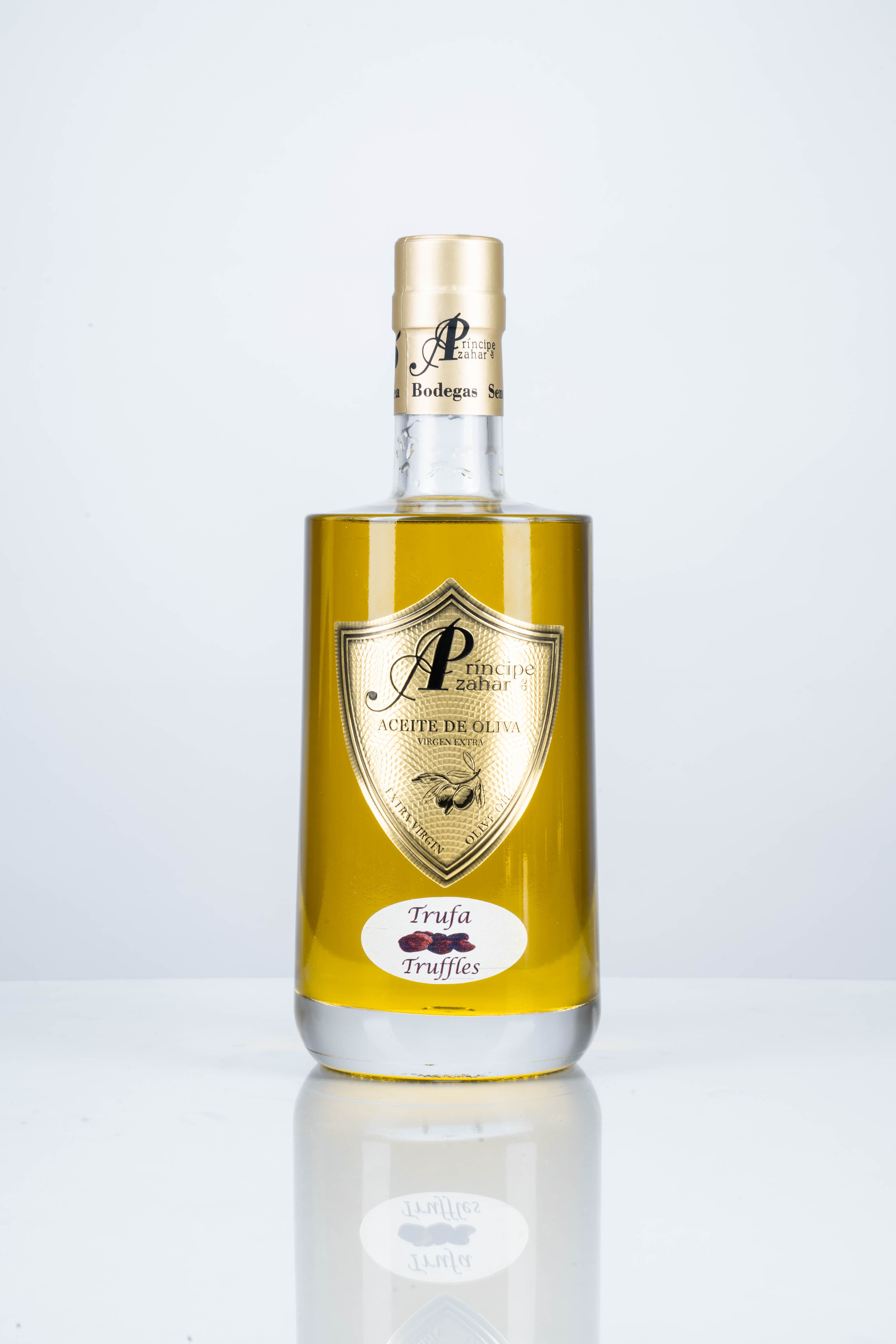
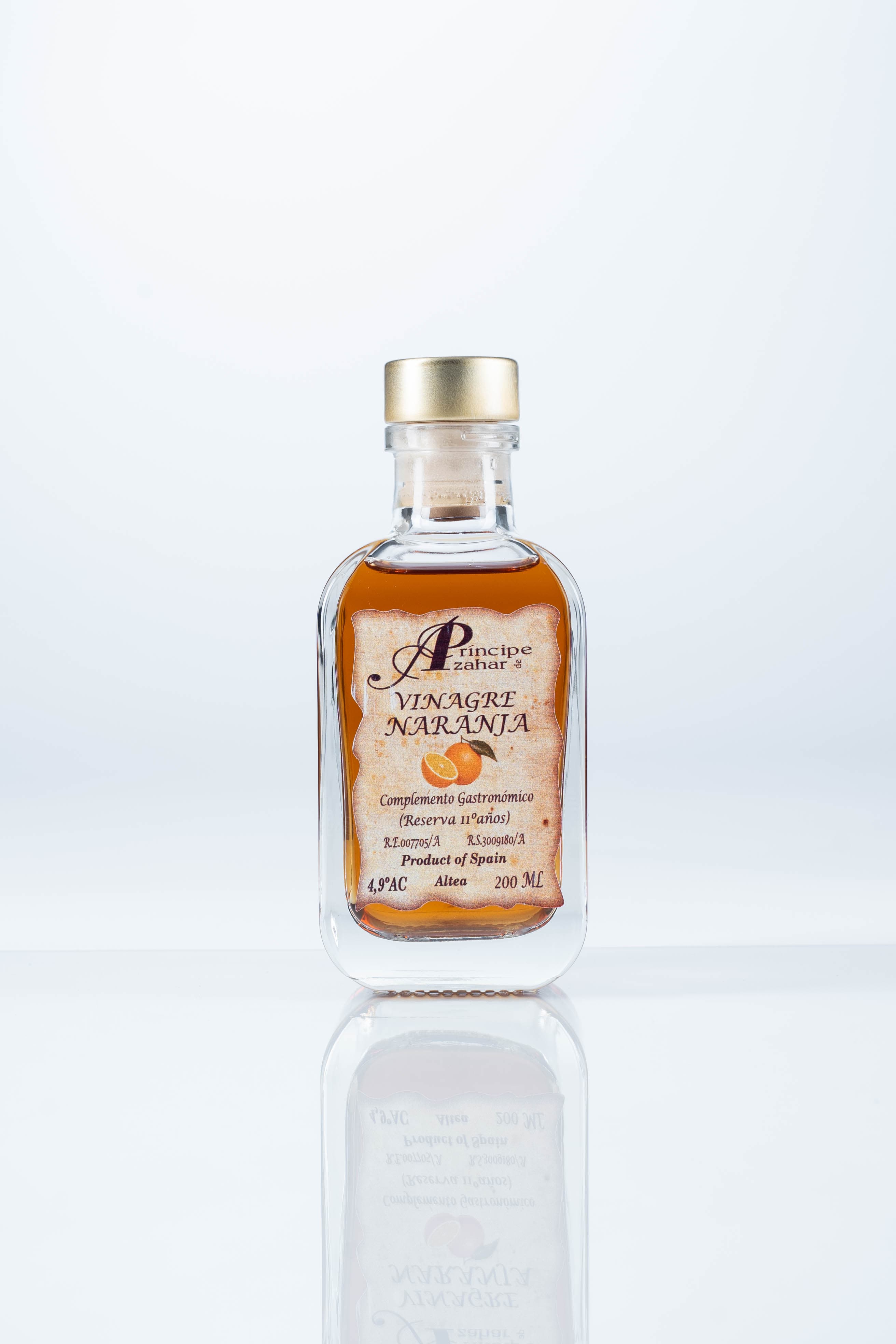
Roberto's family has connections to the Valencia coast of Spain going back generations. His uncle introduced us to the people at Bodegas Sendra Gonzalez in Altea, a small family-owned producer who had been making olive oils, artisan salts, vinegars, and orange wine for decades with essentially no presence outside of Spain. The products were extraordinary in a way that is genuinely hard to describe to someone who has not tasted them. Not in the polished, focus-grouped way of commercial food products, but in the honest, specific way of something made by people who care deeply about their craft.
We left that dinner knowing we wanted to bring these products to the United States. Not because we had identified a market opportunity in a spreadsheet, but because we genuinely believed that what we had just experienced was worth sharing. That motivation has shaped every business decision we have made since.
What Provenance Actually Means
The word provenance gets used a lot in the specialty food world, often loosely. In practice, it means a specific, verifiable story about where a product comes from and how it was made.
For us, provenance means that we know the names of the people who harvested the olives. We know which groves they came from and at what point in the season they were picked. We know that the oils were cold-pressed within hours of harvesting, that the salts were hand-harvested from specific flats on the Mediterranean coast, and that the vinegars were aged in oak for a documented period of time.
This level of specificity is not just marketing language. It is the foundation of the trust relationship between importer, distributor, retailer, and ultimately the person who opens the bottle. When a customer pays a premium price for an artisan imported product, they are paying for a claim about quality and origin. An import partner that cannot verify those claims in detail is not a partner you want to stake your reputation on.
The Questions Every Distributor Should Be Asking
Whether you are evaluating us or any other specialty food importer, there are questions that should be part of every initial conversation.
Can you introduce me to the producer? A legitimate import partner with genuine producer relationships should be able to facilitate a direct conversation or visit. If an importer is vague about who their producers are or reluctant to facilitate introduction, that is a meaningful signal.
What is your supply chain documentation? For a premium imported product, you should be able to see harvest dates, processing records, and shipping documentation. These are not bureaucratic details. They are the evidence that the product is what it claims to be.
How do you handle quality control on arrival? Temperature, humidity, and handling conditions between Spain and your warehouse significantly affect olive oil and vinegar quality. An importer that does not have a clear answer about this is not taking product quality seriously.
What kind of sell-through support do you provide? A good import partner does not just get product onto shelves. They provide education, sampling support, shelf talkers, digital content, and a sales narrative that gives your team confidence in talking about what they are selling.
The Long-Term View
We started Soto and Segovia because we found something we believed in. That motivation has real business implications: we are not in this to move volume at the lowest possible margin. We are in it to build a brand that earns genuine loyalty from the people who discover these products.
For distribution and retail partners, that orientation matters. It means we are selective about placement. It means we invest in the relationship rather than treating you as a channel. It means that when you have questions about a product or a customer has feedback, you will get a response from a person who actually knows the answer.
The specialty food import business is full of companies that are essentially intermediaries: they find products, put their name on them, and move them through distribution with minimal added value. The ones that build lasting businesses are the ones that are genuinely invested in the story and quality of what they represent. That is the kind of partner we want to be for the distributors, retailers, and corporate gift buyers who work with us.
Frequently Asked Questions
What certifications should I look for in an imported olive oil?
Look for producer-level certifications including EU organic designation, DOP (Denominacion de Origen Protegida) where applicable, and cold-press verification. For imported products specifically, verify that the importer has established a direct relationship with the producer and can provide documentation of the supply chain from farm to container.
How do I evaluate whether an imported food product is authentic?
Request full traceability documentation: producer name, location, harvest date, and processing records. Authentic artisan products should have documented provenance. Taste is also a legitimate evaluation tool: a high-quality cold-pressed olive oil has a distinctive grassy freshness and a peppery finish that is difficult to fake at scale.
What minimum order quantities are typical for specialty food imports?
This varies significantly by category and importer. Many specialty importers work with flexible minimums for initial orders to allow for product evaluation. Contact us directly to discuss your specific needs for wholesale or distribution arrangements.
What margins can distributors expect on premium imported food products?
Premium specialty food products typically support retail markup of 40 to 60 percent, with distributor margin in the 30 to 40 percent range depending on volume and product category. The higher price point of premium imported goods supports these margins better than commodity food categories.