The Definition: What 'Extra Virgin' Actually Means
Extra virgin olive oil is not a marketing term, it is a legally defined classification governed by the International Olive Council (IOC) and the European Union. To qualify as extra virgin, an olive oil must meet three strict criteria: it must be cold-pressed from fresh olives using only mechanical means (no chemicals or heat), its free acidity must be 0.8% or lower (measured as oleic acid), and it must pass a sensory panel evaluation by certified tasters with zero defects detected.
Only the first cold-pressing of the olive produces extra virgin quality oil. Subsequent pressings, which require heat or solvents, yield lower-grade oils classified as 'virgin', 'refined', or simply 'olive oil'. What you're purchasing with EVOO is essentially fresh olive juice, and like all fresh produce, freshness and quality of the source fruit matter enormously.
Why Spain Leads the World in Olive Oil Production
Spain is, by a significant margin, the world's largest producer of olive oil, accounting for roughly 40–45% of global production in most years. The country's olive groves span over 2.5 million hectares, concentrated primarily in Andalusia but extending along the Mediterranean coast through regions like Valencia and Catalonia.
The olive varieties cultivated in Spain are extraordinarily diverse. The Picual variety, dominant in Jaén province, produces oils with high polyphenol content and exceptional stability. Arbequina, grown primarily in Catalonia and Aragon, yields a lighter, fruitier oil prized for its smooth finish. Hojiblanca, Cornicabra, and Empeltre each contribute their own distinct profiles, allowing Spanish producers to craft oils of remarkable range and complexity.
The Mediterranean coast in particular, where Soto & Segovia's partner producer Príncipe Azahar operates in Altea, Alicante, benefits from an ideal combination of volcanic soils, sea breezes, and a warm climate tempered by coastal humidity. This terroir produces olive oils of exceptional aromatic intensity.
Cold-Pressing: Why Temperature Is Everything
The term 'cold-pressed' refers to the temperature during extraction, the olives are processed at temperatures below 27°C (80.6°F). This is critical because heat, while it increases oil yield, degrades the very compounds that make extra virgin olive oil valuable: the polyphenols, tocopherols (vitamin E), and volatile aromatic compounds.
At Bodegas Sendra González in Altea, olives are harvested by hand and processed within hours of picking. This speed-to-press is crucial: once an olive is cut or bruised, fermentation begins immediately, raising the oil's acidity and degrading its quality. The finest Spanish producers treat olive oil production with the same urgency and care as fine winemaking.
Infused Olive Oils: Amplifying Spain's Flavors
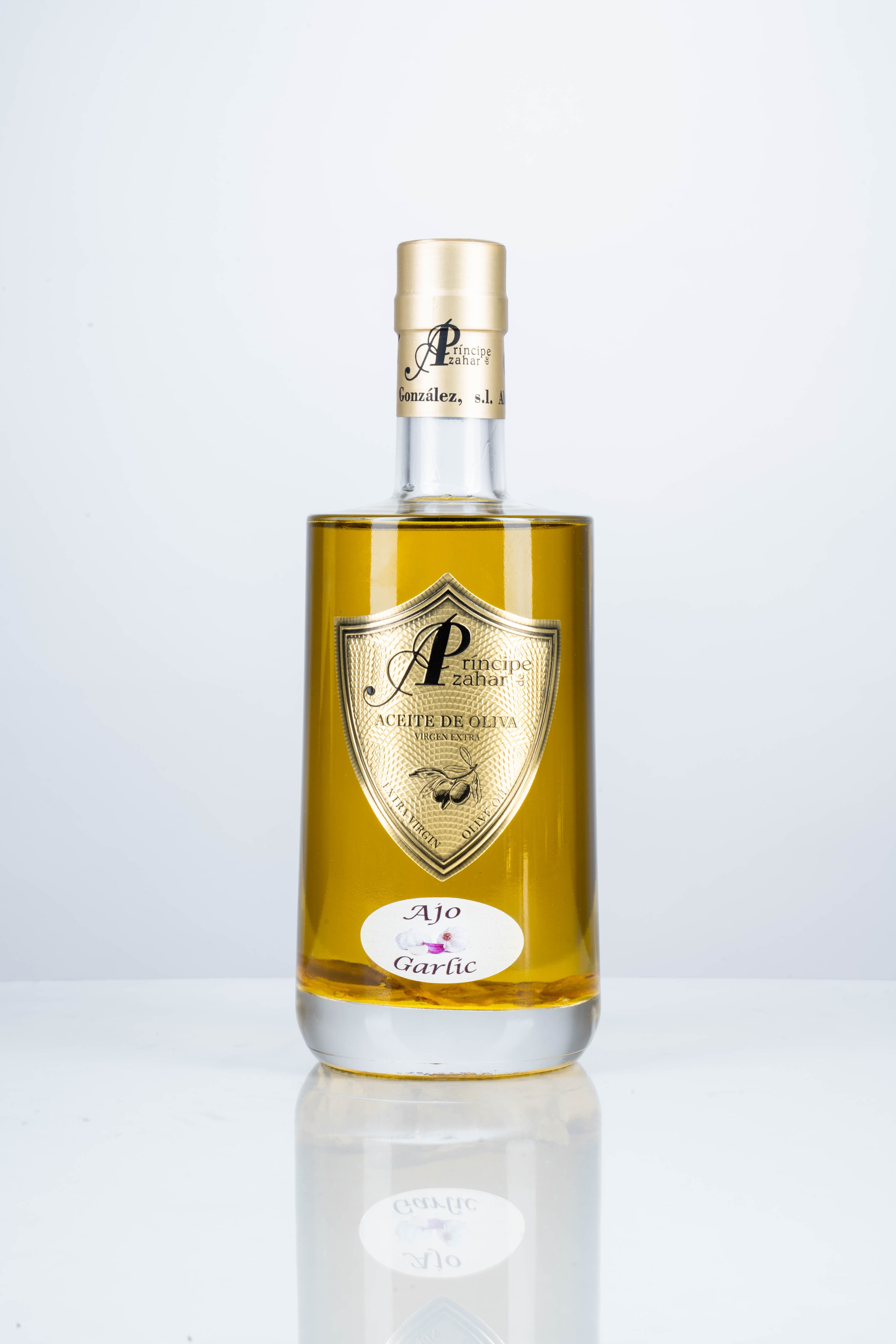
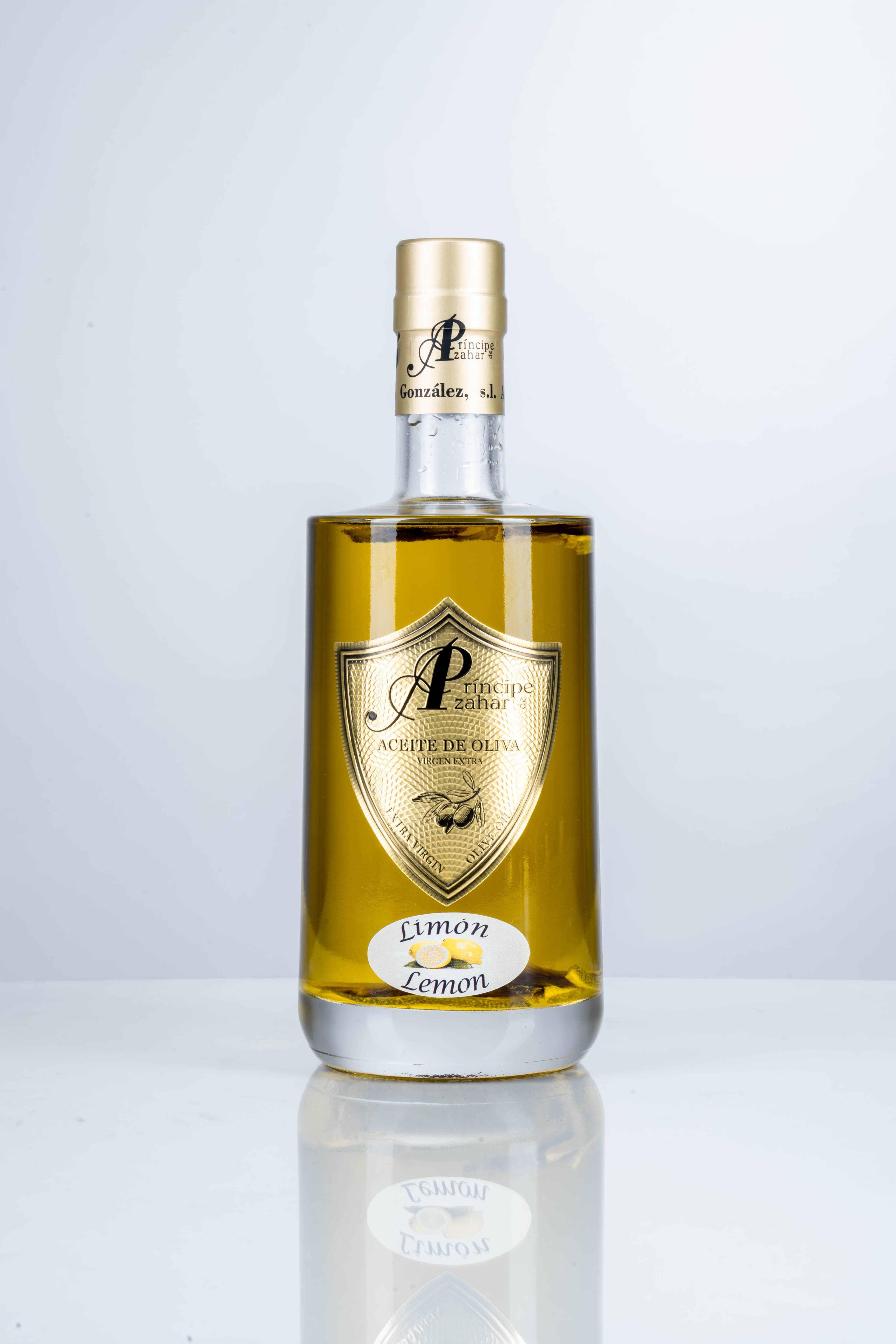
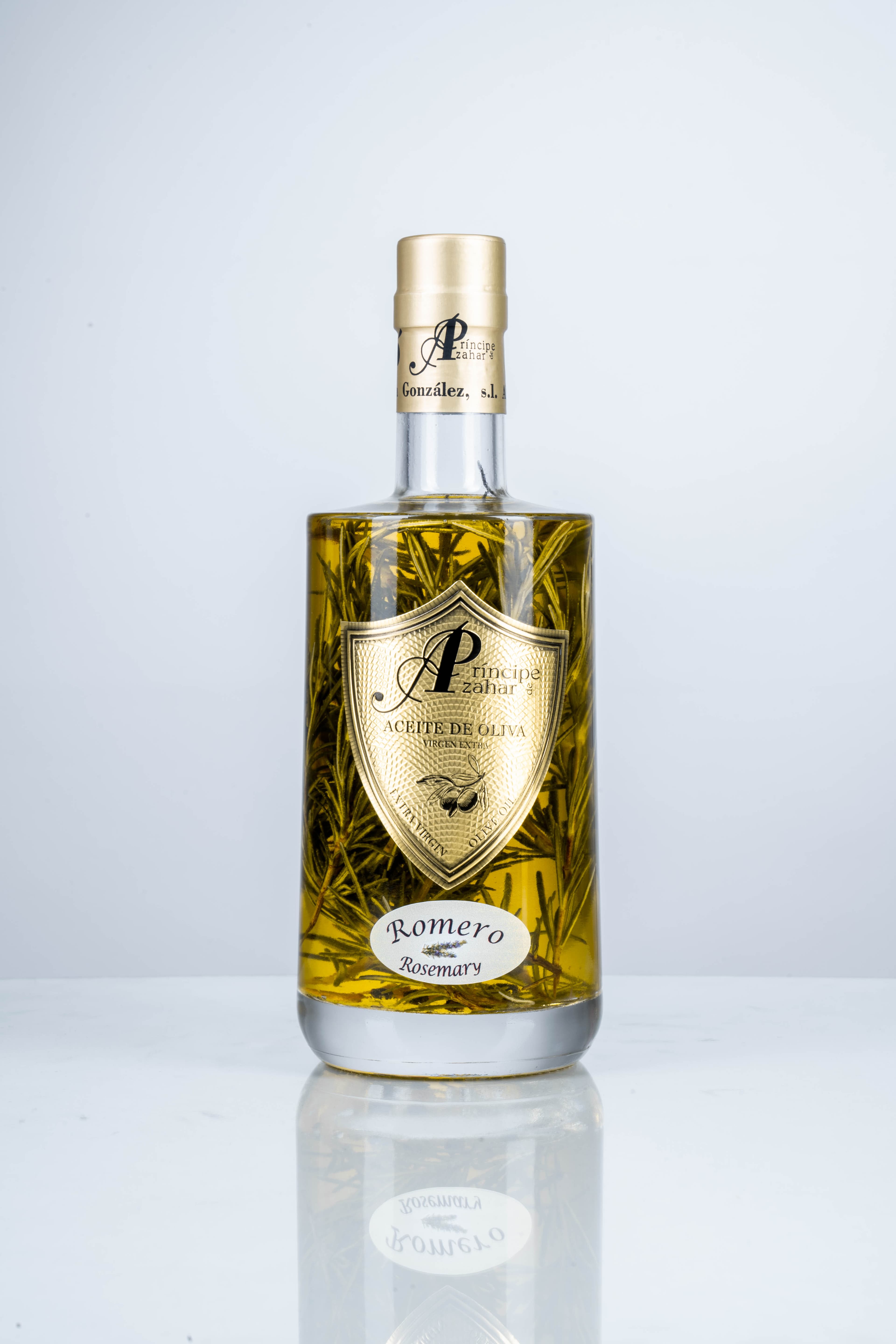
Príncipe Azahar's collection of infused extra virgin olive oils represents a distinct category from plain EVOO. Rather than adding flavoring agents after extraction, these oils are produced by co-milling fresh olives with the infusing ingredient, garlic, rosemary, lemon, chili, or truffle, so the flavor compounds become integrated into the oil itself during pressing.
This 'agrumato' method, as it's known in Italian, produces a far more intense, natural, and harmonious flavor profile than simple maceration. The Garlic Olive Oil smells and tastes of real, fresh Spanish garlic, not garlic powder or garlic extract. The Lemon Olive Oil carries the brightness of actual Mediterranean citrus. These are not flavored oils in the commercial sense; they are single-press artisan oils of the highest quality.
How to Identify Quality Extra Virgin Olive Oil
A high-quality extra virgin olive oil should smell fresh, grassy, and fruity, with notes that might include green apple, artichoke, fresh herbs, almonds, or ripe tomato depending on the variety. It should have a mild to pronounced peppery finish at the back of the throat, caused by oleocanthal, a polyphenol compound with anti-inflammatory properties similar to ibuprofen.
What a good EVOO should never smell or taste like: rancid (like old walnuts or crayons), musty, vinegary, or flat. These are defects that disqualify an oil from the extra virgin classification, though they are disturbingly common in supermarket oils that are either old, improperly stored, or fraudulently labeled.
The easiest way to ensure you're getting authentic, high-quality extra virgin olive oil is to buy from a trusted, transparent source with a known producer and a harvest date on the label.
Extra Virgin Olive Oil and Health
The health profile of extra virgin olive oil is one of the most extensively studied in nutritional science. EVOO is the primary fat source of the Mediterranean Diet, which has been associated in large-scale clinical trials with reduced rates of cardiovascular disease, stroke, type 2 diabetes, and certain cancers.
The key active compounds are monounsaturated fatty acids (primarily oleic acid), which improve cholesterol profiles, and polyphenols, plant antioxidants that reduce oxidative stress and inflammation. The oleocanthal mentioned above functions as a natural anti-inflammatory. These compounds are found in their highest concentrations in fresh, high-quality extra virgin olive oils, another reason the grade of the oil matters so much.
At Soto & Segovia Imports, we believe the finest food is food that is both extraordinary to eat and genuinely good for you. Príncipe Azahar's olive oils are both.
Frequently Asked Questions
What makes olive oil 'extra virgin'?
Extra virgin olive oil (EVOO) must be cold-pressed from fresh olives, have a free acidity of no more than 0.8%, and pass both chemical and sensory panel tests with no defects. It is the highest quality classification.
Is Spanish olive oil better than Italian?
Spain produces over 40% of the world's olive oil supply and is home to hundreds of indigenous olive varieties. Spanish EVOOs, particularly from Andalusia and the Mediterranean coast, consistently win international awards for their quality, freshness, and complexity.
How should I store extra virgin olive oil?
Store EVOO away from heat, light, and air. A cool, dark pantry is ideal. Avoid storing near the stove or in transparent bottles exposed to sunlight. Properly stored, a good EVOO should last 18–24 months from harvest.
What is the smoke point of extra virgin olive oil?
High-quality extra virgin olive oil has a smoke point of approximately 375–405°F (190–207°C), which is suitable for most cooking methods including sautéing, roasting, and pan-frying.
Can you cook with infused olive oils?
Yes. Infused olive oils like Garlic Olive Oil or Rosemary Olive Oil are excellent for cooking, though they are particularly prized as finishing oils, drizzled over finished dishes to deliver maximum aroma and flavor.