Everyone Sends Gifts in December. That Is Exactly the Problem.
Walk into any corporate office building in the United States in mid-December and you will find the same scene: a pile of gift baskets near the reception desk, a stack of branded calendars from vendors, and a collection of holiday cards addressed to the company rather than any specific person. The gifts arrive in a flood. They compete with each other for attention and space. They are expected, so they generate no surprise. They are opened quickly and rarely discussed.
I am not saying not to send holiday gifts. I am saying that if your only gifting touchpoint is December, you are competing with every other vendor your clients have, your gift is one of forty received in the same two-week window, and the emotional impact you generate is approximately equal to everyone else's. Which is to say, minimal.
The companies that use gifting as a genuine relationship tool have figured something out: the highest-impact moments to send a gift are almost never in December.
The Off-Season Advantage
A gift that arrives in September when nobody else is sending gifts is noticed immediately. There is no competition. The recipient is not overwhelmed by incoming packages. They have the mental and emotional space to actually appreciate what you sent them.
A client of ours in Miami sends a curated box of Spanish products from our collection to their top twenty accounts every September, with a short personal note about something specific that happened in the relationship that quarter. No holiday angle, no seasonal occasion. Just an acknowledgment that they exist and that the relationship matters. They tell us it is the most consistent relationship-building tool they use, and the one that generates the most direct responses and conversations.
September works well because it follows the summer break that many executives take in August, so they return to the office ready to engage. It lands before the Q4 sprint that makes everyone too busy to notice anything. And it is completely unexpected, which means it is remembered.
Building a Gifting Calendar That Does Not Feel Like a Calendar
The paradox of corporate gifting is that you want the gesture to feel spontaneous and personal, but you need a system behind it or it will not happen consistently. The answer is a calendar that creates structure without being rigid.
For most companies managing a list of key accounts, I recommend thinking in terms of four annual touchpoints per client: a welcome or re-engagement gift at the start of the relationship or year, a mid-year acknowledgment tied to a business milestone or personal event, a fall off-cycle gift (September or October), and a year-end gift.
Each touchpoint should have a purpose and a price tier in mind before you execute it. The welcome gift should be impressive, because first impressions compound. The mid-year gift should be personal, connected to something you actually know about the client. The fall gift can be more product-forward: here is something excellent, I thought you would love it. The year-end gift can be warmer and more traditional.
What you want to avoid is the calendar becoming mechanical. The notes that accompany each gift should feel like they were written by a person who knows the recipient, not generated by a CRM. That takes effort, but it is the difference between a gifting program that works and one that generates polite acknowledgments.
Food Gifts Have a Natural Seasonal Logic
One practical advantage of premium food products as corporate gifts is that they map naturally to seasons in a way that feels intuitive rather than forced.
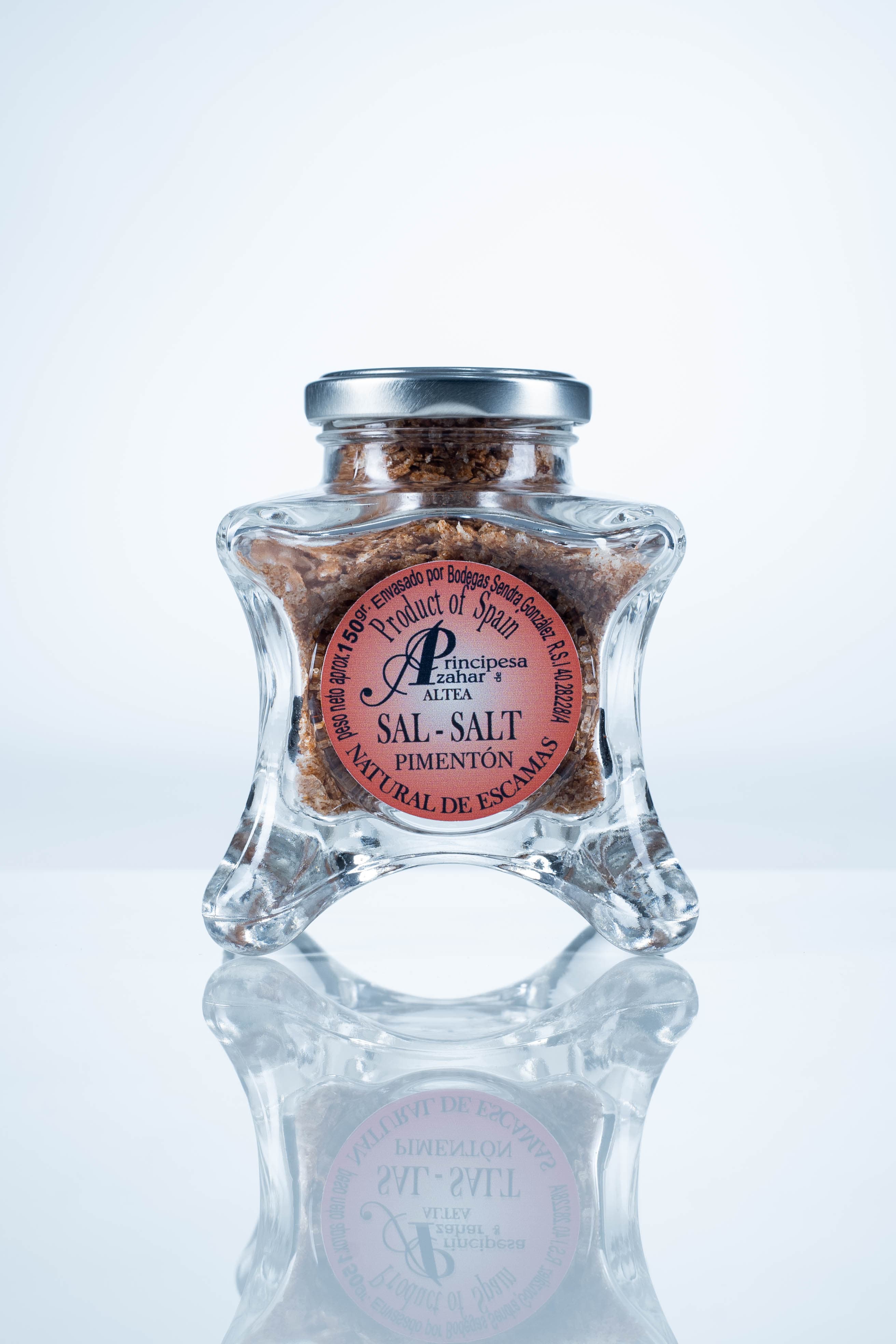
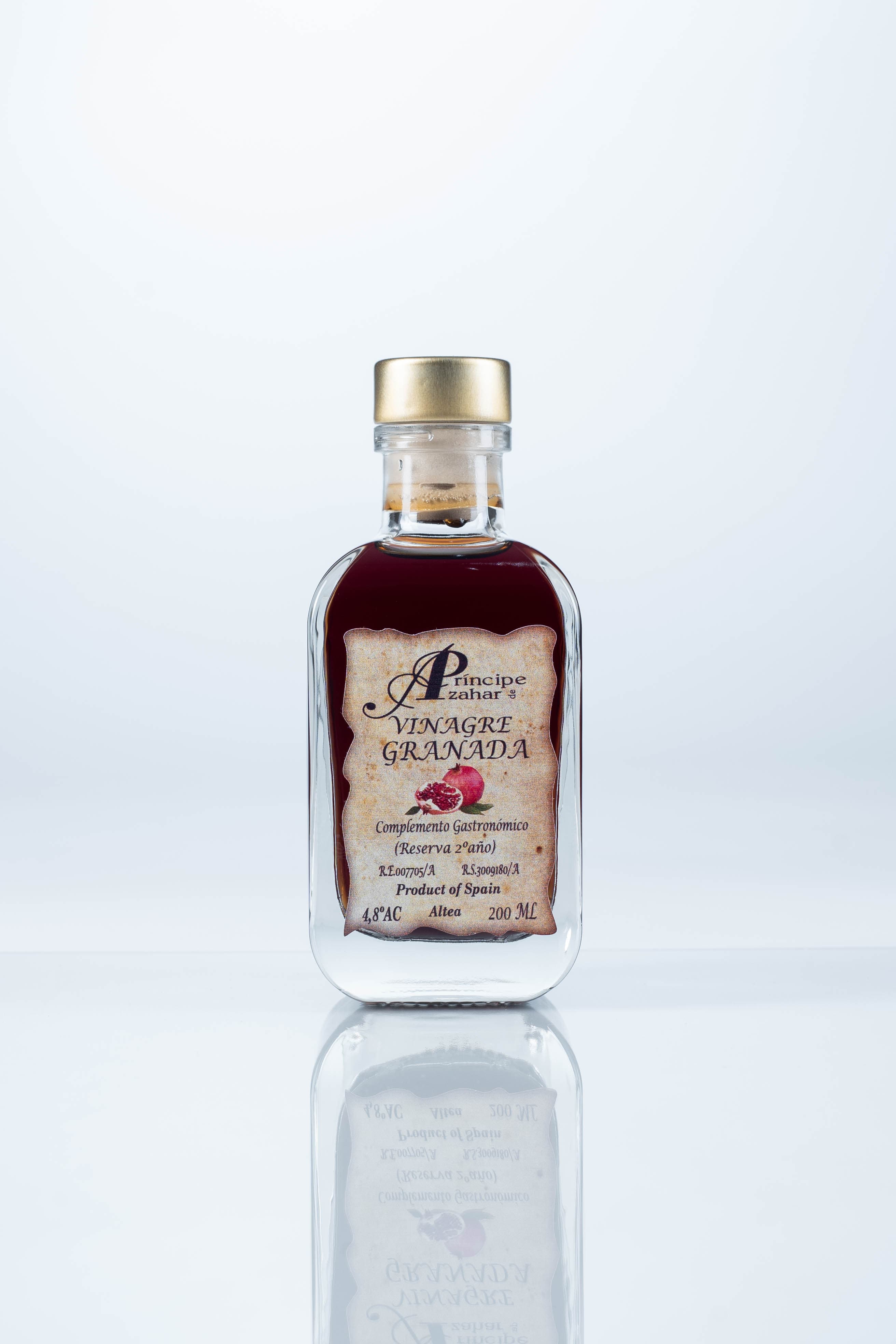
A selection of Principe Azahar olive oils and artisan salts in September sends a message about the fall cooking season ahead. It is something the recipient will actually use in the coming months. A bottle of Spanish Orange Wine from Bodegas Sendra Gonzalez in July, just before summer entertaining season, arrives at exactly the moment it will be most appreciated and most likely to be shared with others.
There is also a hospitality dimension to food gifts that works particularly well for B2B. A gift that can be shared at a dinner party or with a team creates a social experience around your brand. The client who opens a box of Spanish artisan products and then serves them at a dinner becomes the person who introduced their friends to something extraordinary. That story gets told multiple times. Each telling is an organic mention of where the products came from.
Frequently Asked Questions
Is December still worth it for corporate gifting?
Yes, with caveats. Year-end gifts are expected, which means they generate less surprise and impact than off-cycle gifts. But skipping them entirely when everyone else sends them can register as an oversight. The solution is to do both: send something meaningful in December and also gift at one or two unexpected moments during the year.
How early should I order corporate gifts?
For Q4 delivery, order by early October to ensure availability and allow time for personalization. For off-cycle gifts, two to three weeks is usually sufficient. For large volumes above 50 units, contact us directly for lead time guidance.
What occasions work well for unexpected gifts?
A new product launch or company milestone, completion of a major project, a client anniversary with your firm, back-to-school season (mid-August through September works surprisingly well for B2B), or simply after a particularly good business conversation.