The Spanish Tabla vs. The Generic Charcuterie Board
The word 'charcuterie board' has become so ubiquitous that it now encompasses everything from artisan cured meats to random items from a grocery store deli case arranged on a slate tile. A genuine Spanish tabla de embutidos, a board of Iberian cured meats and accompaniments, is something more specific, more intentional, and considerably more interesting.
The key differences: a Spanish board centers on Iberian pork products rather than French pâtés or Italian salumi. The cheeses are regional Spanish varieties rather than Brie or Gruyère. The accompaniments lean toward Spanish pantry staples, Marcona almonds, quality olives, preserved peppers, artisan olive oil for dipping, and finishing salts that frame each element. When executed thoughtfully, a Spanish tabla tells a genuine story of a culinary culture, not just an Instagram-friendly pile of cured meats.
The Meats: Building Around Jamón
Every serious Spanish board anchors itself in jamón, specifically, the finest jamón your budget allows. At the apex is Jamón Ibérico de Bellota: air-cured ham from acorn-fed Black Iberian pigs, aged 36–48 months, with extraordinary fat marbling and a depth of flavor that rivals Parma prosciutto in prestige and surpasses it in complexity.
Above jamón, build outward with chorizo (semi-cured pork seasoned with pimentón, always buy Spanish chorizo, never the Portuguese or Mexican varieties which are fundamentally different products), lomo ibérico (loin of Iberian pork, leaner and more delicate than jamón), and salchichón (a white salami-style sausage seasoned with black pepper). Arrange these in loose folds rather than tight rolls, the fat should be visible, the meat should look abundant rather than geometric.
The Cheeses: Spanish Varieties Worth Knowing
Manchego is the non-negotiable. This aged sheep's milk cheese from La Mancha, legally protected by DOP status, has a firm, slightly crumbly texture and a rich, nutty, slightly salty flavor that pairs beautifully with jamón, membrillo (quince paste), and nearly every wine made in Spain. Curado (aged 3–6 months) is approachable; viejo (aged 12+ months) is more intense and complex.
For contrast, add a softer cheese: Tetilla from Galicia (mild, buttery, shaped like a teardrop) or a semi-firm Mahón from Menorca (sweet and milky when young, tangy and firm when aged). If your guests are adventurous, include a wedge of Cabrales, Spain's great blue cheese, made in Asturias and aged in mountain caves. Its intensity is a counterpoint to the richness of the cured meats.
Arrange cheeses at different angles, with a small knife for each. Label them, guests want to know what they're eating.
The Role of Soto & Segovia Products on a Spanish Board
This is where a Spanish tabla assembled with Soto & Segovia products becomes genuinely extraordinary.
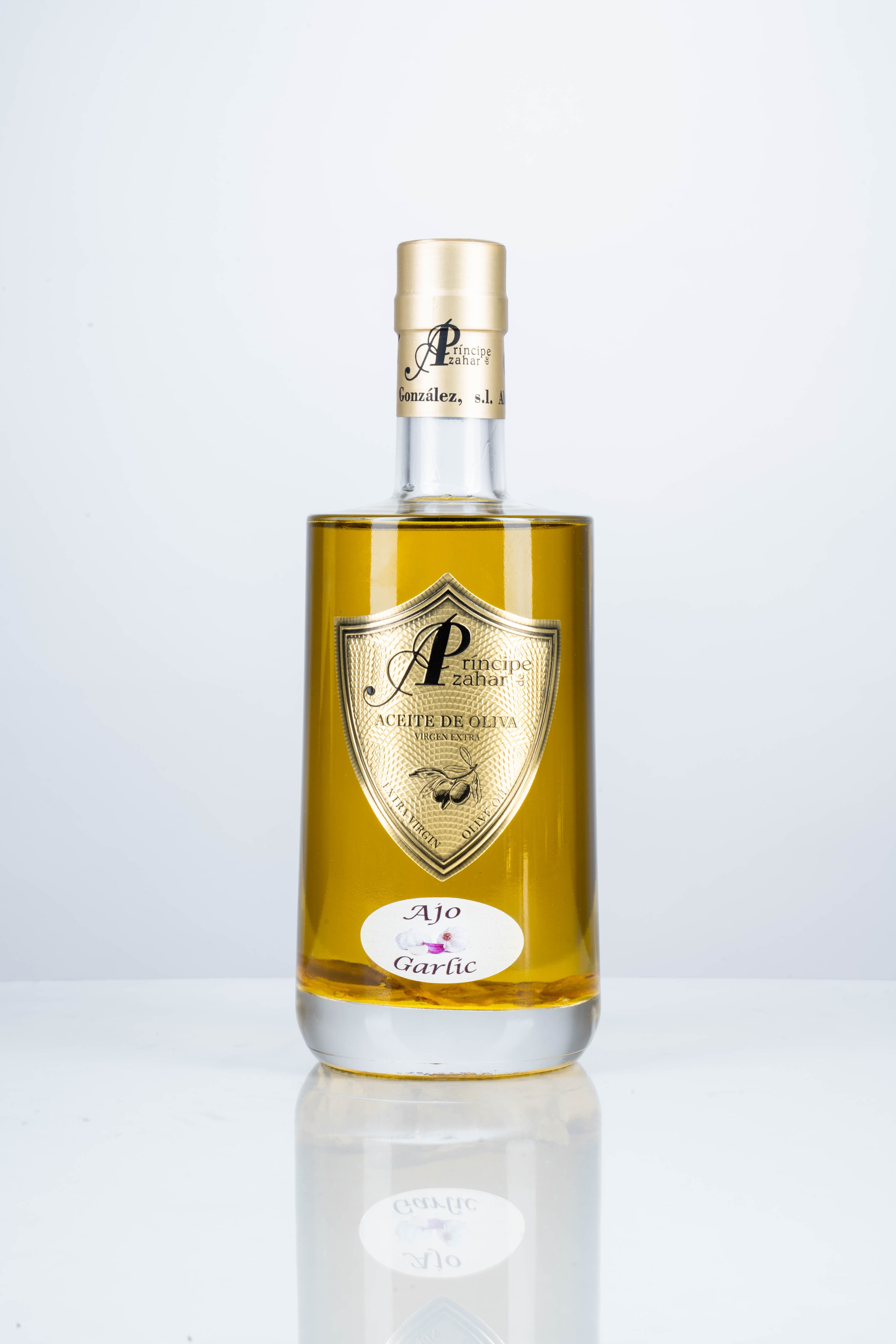
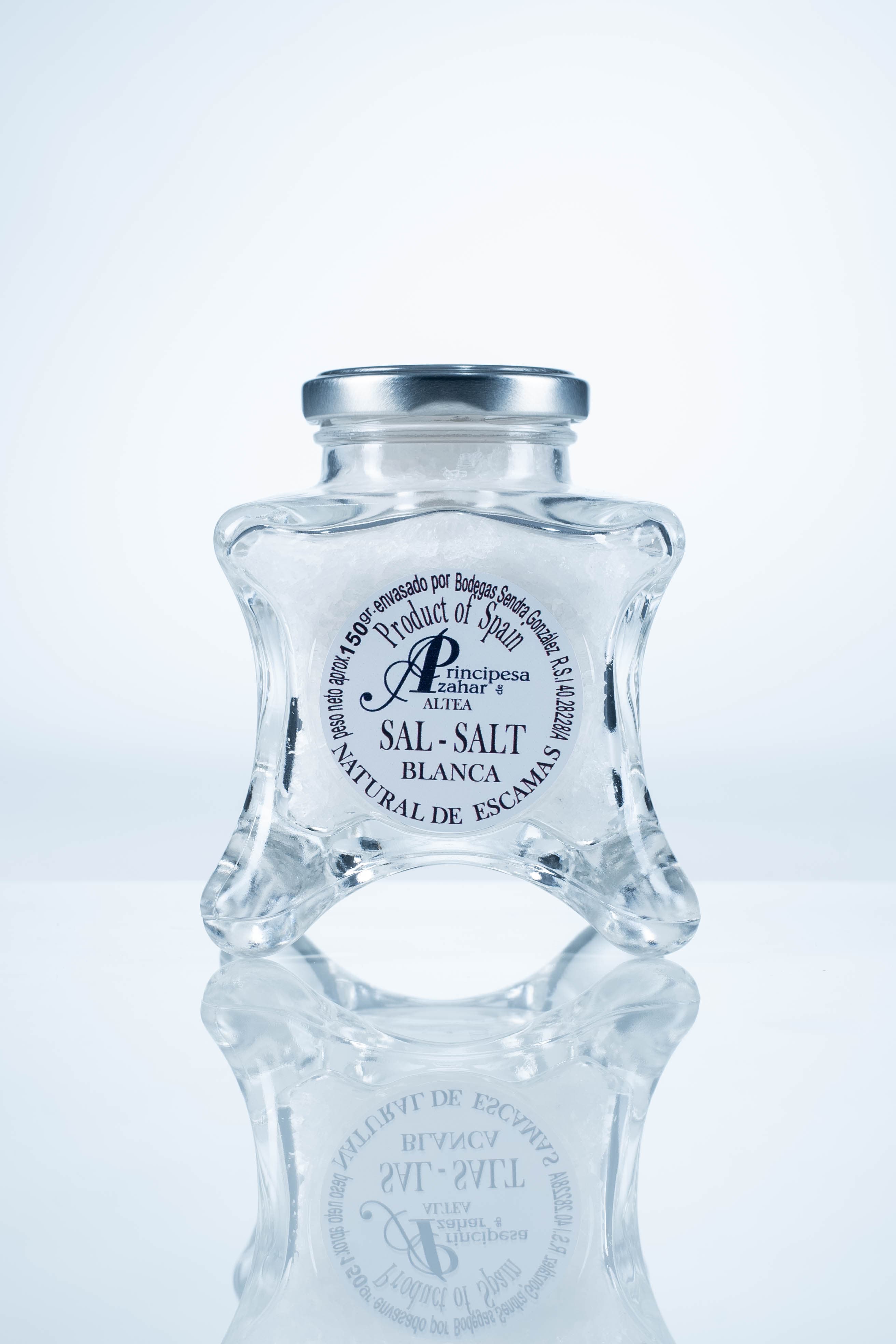
Start with a small ceramic bowl or ramekin of Príncipe Azahar Garlic Olive Oil for bread dipping, its fresh garlic aroma is immediately inviting and sets the tone for the board. Add a pinch of Sal Blanca (White Salt) to the oil for a classic Spanish touch.
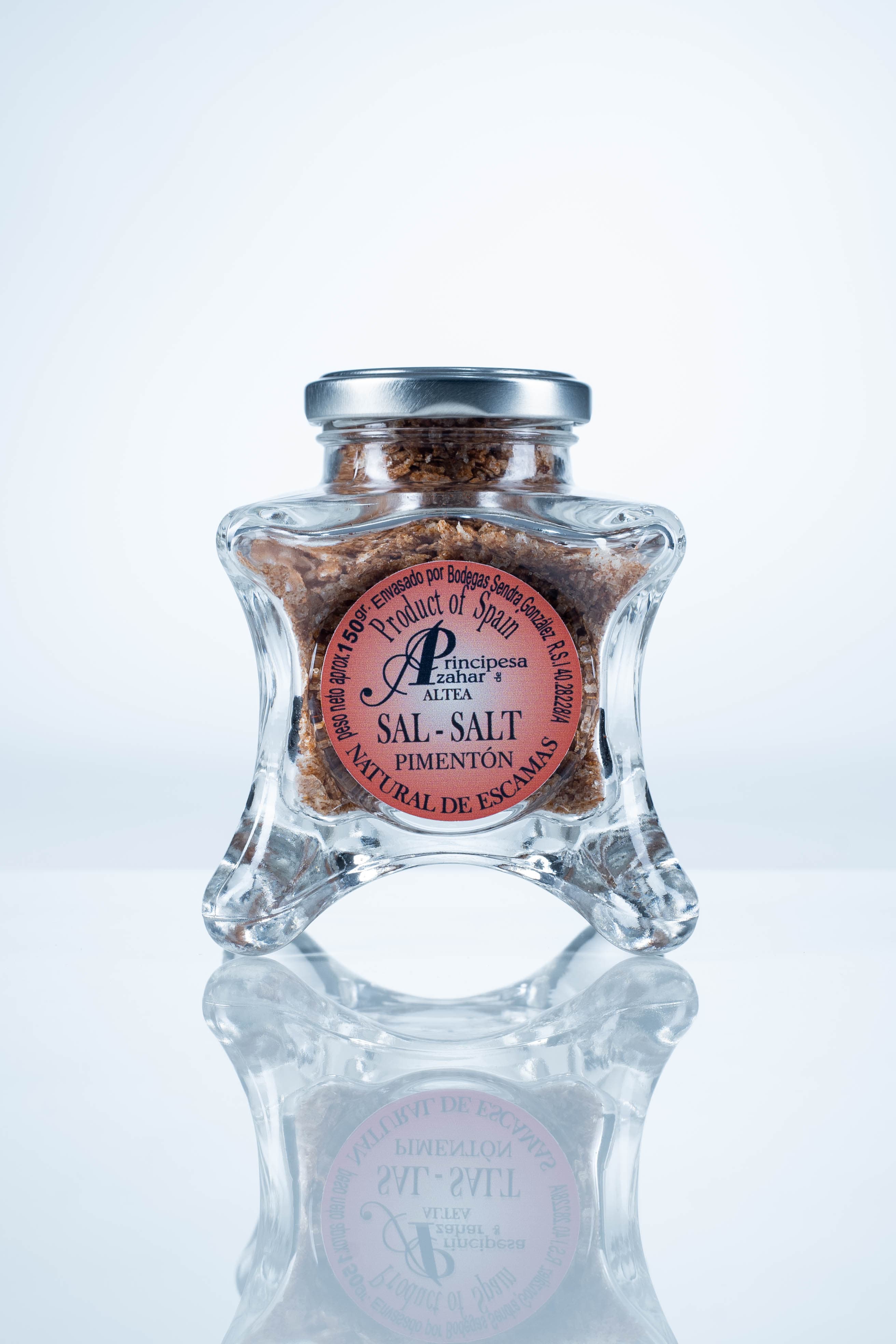
Position small ramekins of two or three finishing salts: Sal Pimentón to finish slices of chorizo or jamón, Sal Negra for visual drama on white cheese, and Sal Menta if you're including fresh fruit on the board (melon and Mint Salt is a revelatory pairing).
For a condiment element, Vinagre de Higos (Fig Vinegar) makes an exceptional dipping sauce for cheese, drizzle it over aged Manchego and watch guests' expressions change. The same applies to Vinagre de Granada (Pomegranate Vinegar), which is stunning drizzled over jamón ibérico.
Finally, decant a cold glass of Príncipe Azahar Vino de Naranja for each guest as the board is set down. The citrusy aperitif wine was made for precisely this moment.
The Accompaniments: Completing the Tabla
A Spanish board needs texture and relief from richness. Include: Marcona almonds (blanched, fried in olive oil, salted, available at most specialty food stores), high-quality olives (Manzanilla from Seville or Arbequina from Catalonia), membrillo (quince paste, the traditional Spanish accompaniment to Manchego), pan con tomate (toasted bread rubbed with tomato and drizzled with olive oil), and pimientos del piquillo (roasted sweet red peppers, excellent with aged cheese and jamón).
Fresh fruit adds color and freshness: grapes, figs (in season), and sliced pear all work beautifully with the Spanish cheese selection. If using melon, a pinch of Sal Menta on each piece creates one of the great simple combinations in all of Spanish food culture.
For bread, serve a rustic sourdough or traditional Spanish barra, crusty on the outside, chewy within, sliced thickly and lightly toasted.
Frequently Asked Questions
What cheeses are traditionally Spanish?
Spain produces a rich variety of regional cheeses. Manchego (aged sheep's milk from La Mancha) is the most famous internationally. Other notable Spanish cheeses include Mahón (Menorca), Idiazábal (Basque Country), Tetilla (Galicia), Cabrales (blue cheese from Asturias), and Torta del Casar (Extremadura). A Spanish board should include at least one aged sheep's milk cheese.
What is the difference between jamón ibérico and jamón serrano?
Jamón serrano is cured mountain ham from white pigs, typically aged 12–18 months. Jamón ibérico comes from the Black Iberian pig breed, a distinct, ancient breed native to the Iberian Peninsula, and is aged much longer (24–48 months). The highest grade, jamón ibérico de bellota, comes from pigs fed exclusively on acorns during the montanera season, producing extraordinary fat marbling and flavor.
How do finishing salts enhance a charcuterie board?
Artisan finishing salts add a professional touch that instantly elevates a charcuterie presentation. Sal Negra (Black Salt) on white cheeses creates visual drama. Sal Pimentón on jamón or chorizo amplifies the pork's natural sweetness. Sal Menta on fresh fruit provides a surprising freshness. A small ramekin of Sal Blanca (White Salt) for dipping olive oil is a classic Spanish touch.
What wine pairs best with a Spanish charcuterie board?
A Spanish board calls for Spanish wine. Fino or Manzanilla Sherry, bone-dry and nutty, is the classic pairing for jamón and hard cheeses. Alternatively, a chilled glass of Vino de Naranja works beautifully with lighter boards featuring seafood, citrus, and mild cheeses. For a fuller red pairing with chorizo and aged Manchego, choose a Tempranillo from Rioja or Ribera del Duero.